
 Pin it
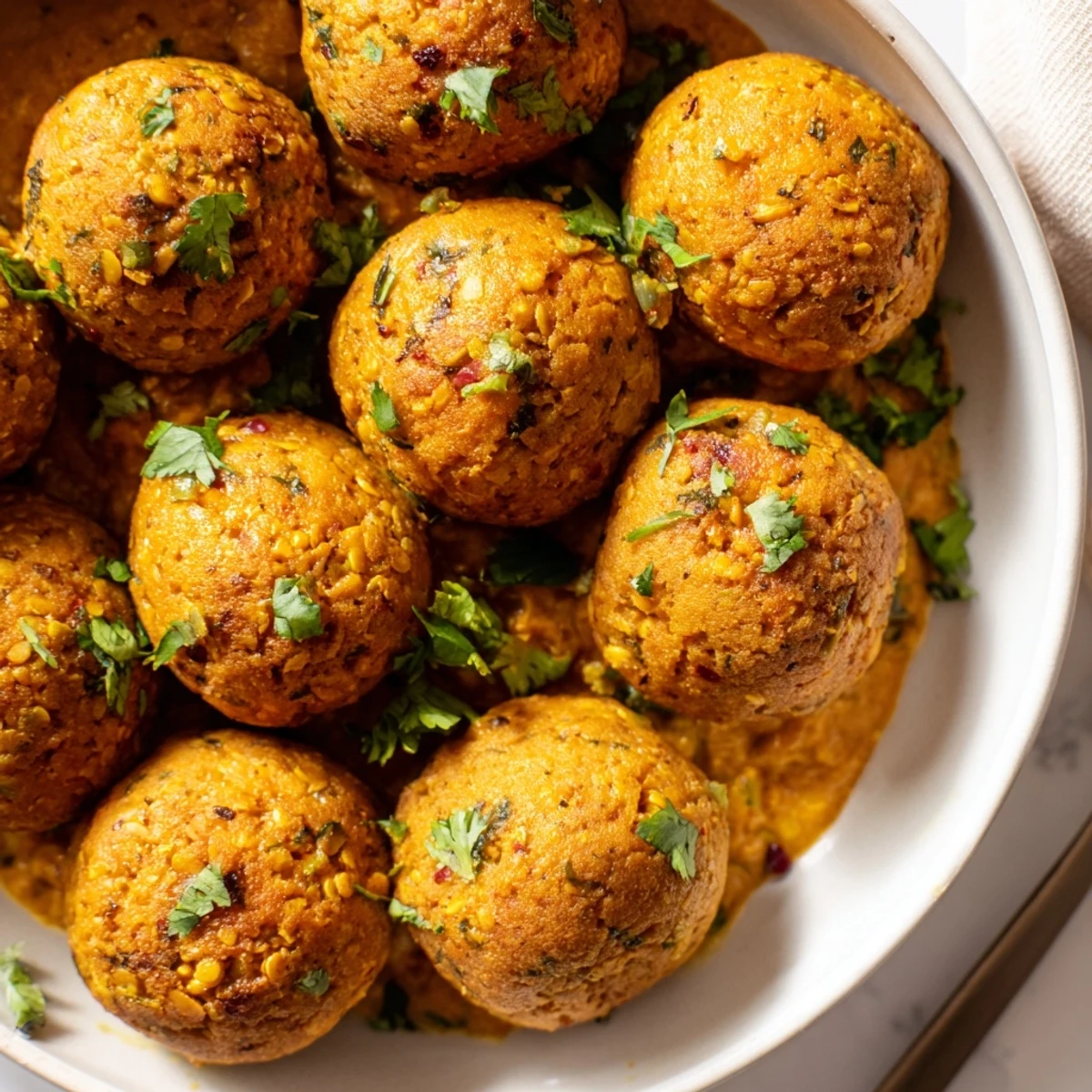
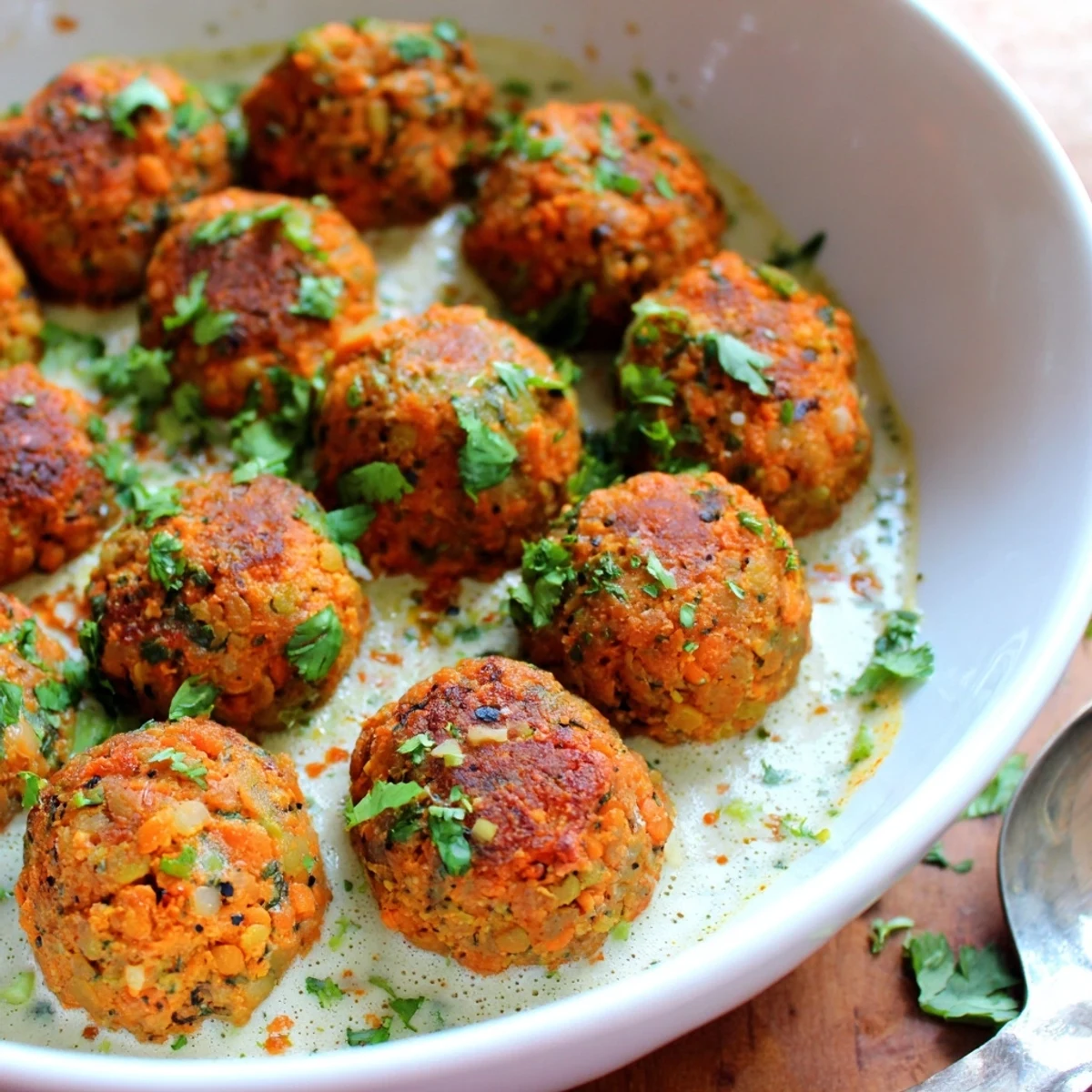
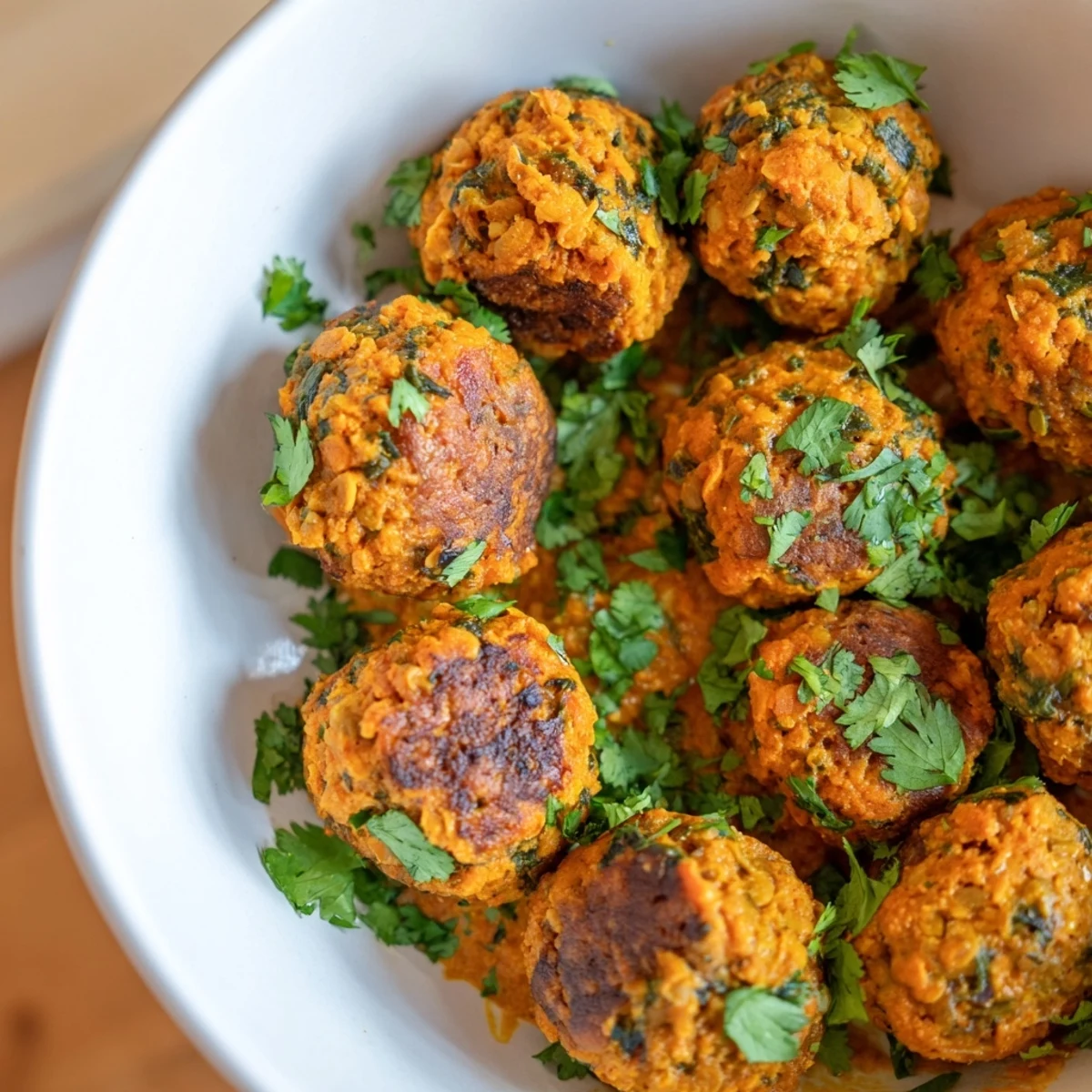
 Grated carrot and mashed chickpeas are combined with oats, cilantro and warm spices, then shaped into balls and baked or pan-fried until golden. A coconut-based curry, built from sautéed onion, garlic and ginger with curry powder, turmeric and tomato paste, simmers to a creamy finish. Toss the balls into the sauce to warm through. Ready in under an hour, serves four and pairs well with basmati, quinoa or flatbread.
The smell of toasted cumin drifting through my kitchen on a rainy Tuesday evening is what finally convinced me that vegetarian cooking could hold its own against any meat dish I had grown up eating. I had been skeptical, truthfully, when a friend handed me this recipe scribbled on the back of a grocery receipt. That crumpled paper is now stained orange with turmeric and tucked inside my favorite cookbook as a reminder that the best meals often arrive without ceremony.
I served this to my neighbor David, a devoted carnivore who once told me a meal without meat was just a snack. He went back for thirds, said nothing, and the next week asked when I was making those orange ball things again.
Ingredients
- Chickpeas (1½ cups canned, drained and rinsed): The backbone of the balls, providing protein and a creamy interior that holds everything together without falling apart.
- Grated carrot (1 cup): Adds natural sweetness and a subtle crunch, and the color looks gorgeous against the golden sauce.
- Rolled oats (½ cup): These act as your binder, soaking up moisture so the balls keep their shape, and they keep the dish gluten-free if you choose certified oats.
- Fresh cilantro (2 tablespoons chopped): A bright, herbal note that cuts through the richness of the coconut sauce.
- Garlic (2 cloves, minced): Essential aromatics that deepen the flavor of both the balls and the sauce.
- Onion (1 small, finely chopped): Split between the balls and the sauce, onion builds a savory foundation in every layer.
- Ground cumin, coriander, and smoked paprika (1 teaspoon cumin, ½ teaspoon coriander, ½ teaspoon paprika): This warm spice trio gives the balls their smoky, earthy personality.
- Olive oil (1 tablespoon for balls, 1 tablespoon for sauce): Used for brushing the balls before baking or frying, and for sautéing the aromatics in the sauce.
- Fresh ginger (1 tablespoon grated): Adds a peppery warmth to the sauce that dried ginger simply cannot replicate.
- Curry powder and turmeric (1 tablespoon curry, ½ teaspoon turmeric): The soul of the coconut sauce, lending deep golden color and layered fragrance.
- Full-fat coconut milk (1 can, 400 ml): Do not reach for the light version here, because the richness is what makes this sauce silky and luxurious.
- Vegetable broth (½ cup): Thins the sauce just enough so it coats the balls without turning into soup.
- Tomato paste (1 tablespoon): A small amount that adds umami depth and balances the sweetness of the coconut milk.
- Maple syrup or sugar (1 teaspoon): Rounds out the spices and brings everything into harmony.
- Salt and pepper: Season to taste at the end, because the right amount of salt is what transforms a good curry into an unforgettable one.
Instructions
- Get your oven or skillet ready:
- Preheat the oven to 400°F (200°C) and line a baking tray with parchment, or heat a splash of olive oil in a nonstick skillet if you prefer a pan-fried crust.
- Build the chickpea ball mixture:
- Toss the chickpeas, grated carrot, oats, cilantro, garlic, onion, cumin, coriander, smoked paprika, salt, and pepper into a food processor. Pulse until the mixture clumps together when you squeeze it, but stop before it turns into a smooth paste because those little flecks of carrot and herb are what make each bite interesting.
- Shape and cook the balls:
- Roll the mixture into 16 equal balls with slightly damp hands to prevent sticking. Arrange them on the prepared tray, brush each one lightly with olive oil, and bake for about 20 minutes until golden, or fry them in a skillet for roughly 10 minutes, turning gently until all sides are beautifully browned.
- Start building the sauce:
- In a large skillet over medium heat, warm the olive oil and sauté the chopped onion until it turns soft and translucent, roughly 3 to 4 minutes. Add the garlic and grated ginger, stirring constantly for another minute until your kitchen smells absolutely incredible.
- Bloom the spices:
- Stir in the curry powder, turmeric, and cumin, and let them toast in the hot oil for about 30 seconds. You will know they are ready when the fragrance shifts from dusty to deeply aromatic and the oil turns a brilliant shade of gold.
- Simmer the coconut sauce:
- Pour in the coconut milk, vegetable broth, tomato paste, and maple syrup, then stir everything together until smooth. Bring the sauce to a gentle simmer and let it cook for 7 to 8 minutes, stirring occasionally, until it thickens enough to coat the back of a spoon.
- Bring it all together:
- Carefully lower the chickpea balls into the simmering sauce, spooning it over the tops so every ball is enveloped. Let everything simmer uncovered for 3 to 5 minutes just to heat the balls through and let the flavors marry.
- Serve and finish:
- Transfer to a warm serving dish, scatter fresh cilantro leaves over the top, and serve immediately alongside basmati rice, quinoa, or warm flatbread for soaking up every last drop of that sauce.
 Pin it
 The night I made this for a small dinner party, the conversation stopped entirely when I set the pot on the table. Four people hunched over their bowls in silence, and that quiet is the highest compliment a home cook can receive.
What to Serve Alongside
Basmati rice is the obvious and wonderful choice, but I have also ladled this over a bed of wilted spinach when I wanted something lighter. Warm naan or any flatbread you can tear and dip is almost mandatory, because leaving sauce on the plate is a tragedy. A simple cucumber salad with a squeeze of lemon cuts through the richness and refreshes your palate between bites.
Storing and Reheating
The balls soften a bit as they sit in the sauce overnight, which some people actually prefer because they become almost melt-in-your-mouth tender. Store everything in an airtight container in the refrigerator for up to three days. Reheat gently on the stovetop over low heat, adding a splash of broth or water if the sauce has thickened too much. The flavors deepen overnight, making the leftovers arguably better than the first night.
Small Changes, Big Results
This recipe is forgiving and welcomes experimentation once you understand the basic structure.
- Swap grated zucchini or sweet potato for the carrot if you want to change the flavor profile entirely.
- Stir chopped cashews or peanuts into the ball mixture for an unexpected crunch that surprises everyone at the table.
- Double the batch and freeze half the cooked balls on a tray before transferring to a bag, so you always have the hardest part done ahead of time.
 Pin it
 Some recipes earn a permanent spot in your rotation not because they are flashy, but because they make an ordinary evening feel like something worth savoring. Keep this one close, because you will come back to it more often than you expect.
Recipe FAQs
- → Can I bake the balls instead of frying?
-
Yes. Brush or spray the balls with a little oil and bake at 400°F (200°C) for about 20–25 minutes, turning once, until golden. Baking yields a lighter texture and less oil absorption.
- → How do I prevent the balls from falling apart?
-
Pulse until the mixture holds together but still has some texture; oats act as a binder. If too loose, add a tablespoon more oats or a splash of chickpea liquid reduced to a paste. Chill the mixture 10–15 minutes before shaping for firmer balls.
- → What coconut milk should I use for the sauce?
-
For a rich, creamy sauce use full-fat coconut milk. Light coconut milk will be thinner; you can compensate by simmering longer to reduce and concentrate the sauce.
- → Is this suitable for a gluten-free diet?
-
Yes when using certified gluten-free rolled oats and ensuring all store-bought ingredients (like broth) are labeled gluten-free. Oats can be a cross-contamination risk, so choose certified options if needed.
- → Can I prepare elements ahead of time?
-
You can shape and chill the balls up to a day ahead, and make the curry sauce earlier and reheat gently. Assemble and warm the balls in the sauce just before serving to maintain texture.
- → How should I store and reheat leftovers?
-
Keep cooled portions in an airtight container in the fridge for up to 3 days. Reheat gently on the stove over low heat, covering to warm through, or microwave in short intervals to avoid drying out.