
 Pin it
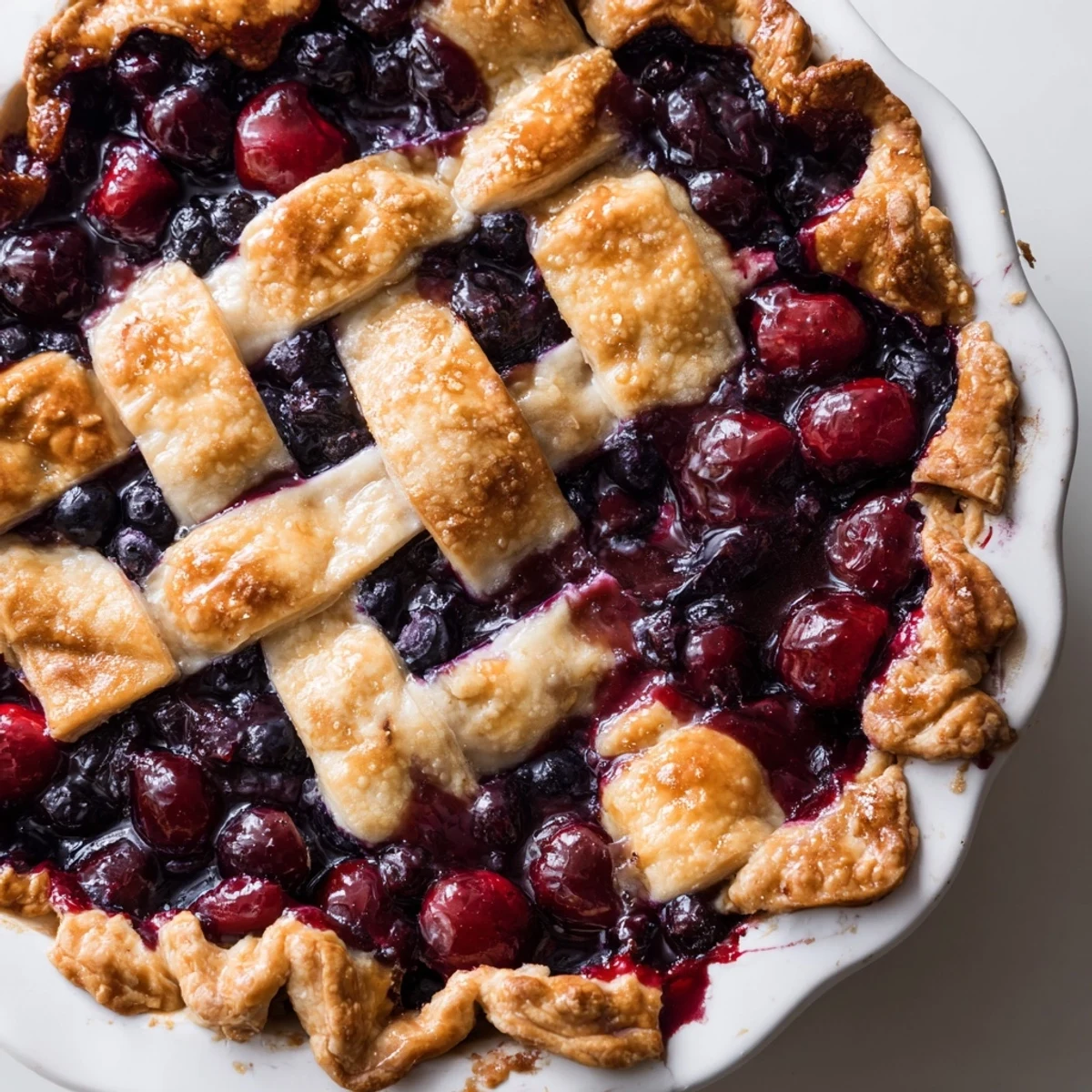
 This double-berry pie layers pitted cherries and blueberries tossed with sugar, cornstarch, lemon and vanilla for a glossy, well-set filling. Make a flaky crust by cutting cold butter into flour, chill the dough at least 1 hour, then roll into a bottom and top. Bake at 400°F to set the crust, lower to 350°F until golden and bubbling. Brush with egg wash for color and sprinkle coarse sugar for crunch. Cool completely before slicing and serve with ice cream or whipped cream; use a mix of sweet and tart cherries for more depth.
The scent of buttery pastry mingling with bubbling berries has this uncanny way of filling my kitchen with anticipation. My introduction to cherry and blueberry pie wasn't some family tradition but a spontaneous idea one summer afternoon, inspired by baskets of fruit overflowing at the market. With stained fingers and a bit of doubt, I let the vivid colors guide me through my first attempt. There was no fanfare—just me, a wooden countertop, and the promise of flaky, golden reward.
I made this pie the first time right before an impromptu barbecue with friends, aiming for casual, not perfection. Cherries and blueberries tumbled across my work surface while my phone pinged nonstop with early arrivals. I remember a laugh escaping when a blueberry bounced onto the floor and my dog beat me to it. That rough-edged, crimped pie disappeared before anything else, seconds fiercely debated over the last wedge.
Ingredients
- All-purpose flour: I’ve learned this creates a tender crust, and sifting it first helps avoid tough bites.
- Unsalted butter: Make sure it’s cold—straight from the fridge, because that’s the secret to flaky layers.
- Salt: Just a little sharpens the sweetness and lets the crust stand up to the fruit.
- Sugar (in the crust): It isn’t a must, but it gives the pastry a faint golden color and a gentle sweetness that I now never skip.
- Ice water: Add it gradually; too much turns the dough sticky, too little and it won’t hold at all.
- Cherries: Fresh are gorgeous in summer, but frozen ones work wonders too if you can’t wait for the season.
- Blueberries: The burst of juice and tangy pop they add is what makes this pie stand out—even better if you toss a handful straight into your mouth while prepping.
- Granulated sugar (filling): Balances the natural tartness and doesn't mask the berries.
- Cornstarch: Keeps the filling from turning your crust soggy but don’t overdo it, or you’ll lose that luscious syrupy texture.
- Lemon juice: I squeeze it fresh; this brightens all the flavors without overpowering.
- Vanilla extract: Just a hint brings the whole filling together—skip it in a pinch, but you’ll miss that background warmth.
- Ground cinnamon (optional): Some days I add a pinch and some I don’t—it brings nostalgia and coziness, but isn’t essential.
- Egg and milk (for egg wash): I learned that brushing the crust makes it shine and look bakery-perfect.
- Coarse sugar (optional): A sprinkle gives a sparkling top and light crunch—perfect for impressing guests with zero extra effort.
Instructions
- Mix the crust:
- Work the flour, sugar, and salt with cold butter until your fingertips feel little pebbles; drop in ice water just until the dough barely sticks together. Shape into two thick discs, then bundle them up and let them rest in the fridge—your patience pays off later.
- Turn on the oven:
- Set your oven to 400°F (200°C) so it’s perfectly hot when your pie is ready to bake—makes for a crisper bottom.
- Prepare the filling:
- Toss cherries and blueberries with sugar, cornstarch, lemon juice, vanilla, cinnamon, and that pinch of salt; let them sit until they look glossy and juicy. The colors swirl together and temptation to spoon out a bite is real—just hold out.
- Roll the base:
- Flour your counter and gently roll one dough disc into a circle larger than your pie dish; get ready for a little patchwork if it tears, it’s homemade after all. Lay the crust into the dish and trim any wild edges.
- Fill it up:
- Heap the fruit filling into the shell, scraping every drop of syrup—this is the part where it starts looking irresistible.
- Top and finish:
- Roll the remaining disc and choose: classic solid or playful lattice. Either way, crimp the edges and snip a few vents if it’s a closed lid—it needs to breathe.
- Egg wash & sparkle:
- Whisk the egg with milk and sweep it all over the top crust. Shower with coarse sugar for a little magic.
- Bake:
- Set the pie on the lower rack and let it start, then turn the oven down to 350°F (175°C) after 20 minutes. When the crust is golden and the juices bubble, it’s ready—don’t rush it.
- Cool and slice:
- Wait until it’s fully cool, or the filling will spill everywhere (learned that the messy way).
 Pin it
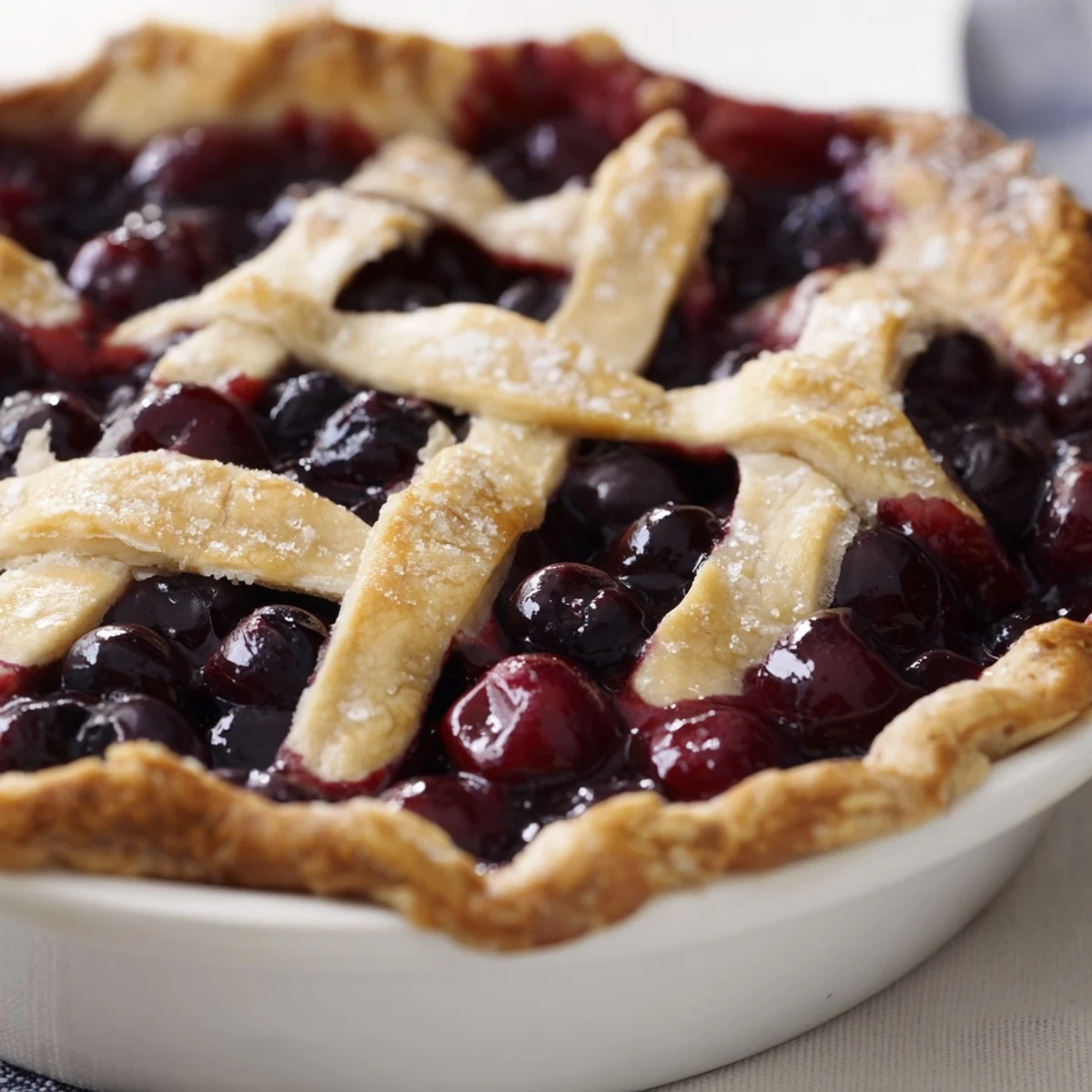
 One late July evening, this pie sat at the center of a picnic table, dew still clinging to the grass beneath us. Someone asked for the recipe but kept eating forkful after forkful, so I sent them home with a crumpled, berry-stained notecard instead. There was laughter, smudged plates, and not a crumb left in the tin. That night, this pie felt like the centerpiece of our easy summer happiness.
Fruit Swaps and Fixes
If I’m short on cherries or blueberries, I don’t stress—raspberries or blackberries work beautifully in a pinch. If your fruit is a bit too tart, adding another spoonful of sugar can help, but don’t let it overwhelm the natural flavors. I’ve even tossed in a handful of diced strawberries once when inspiration (and necessity) struck. The results were refreshingly sweet and a new favorite was born.
Pie Crust Confidence
Your crust might crack, shrink, or look a little rustic your first go—mine sure did. Chill both dough and rolling pin, and don’t skimp on that fridge time between steps: this keeps the butter cold and the texture just right. Fix rips by pressing in trimmed dough scraps with your fingers—nobody will see when it’s baked. Every little imperfection only makes it more charming (and guaranteed homemade).
Serving Up Slices
There’s no need for fancy plating—this pie is all about comfort and abundance. Dessert forks disappear when the aroma fills the room, and scooping with a big spoon is entirely allowed. Vanilla ice cream softens over warm wedges and whipped cream is never, ever unnecessary.
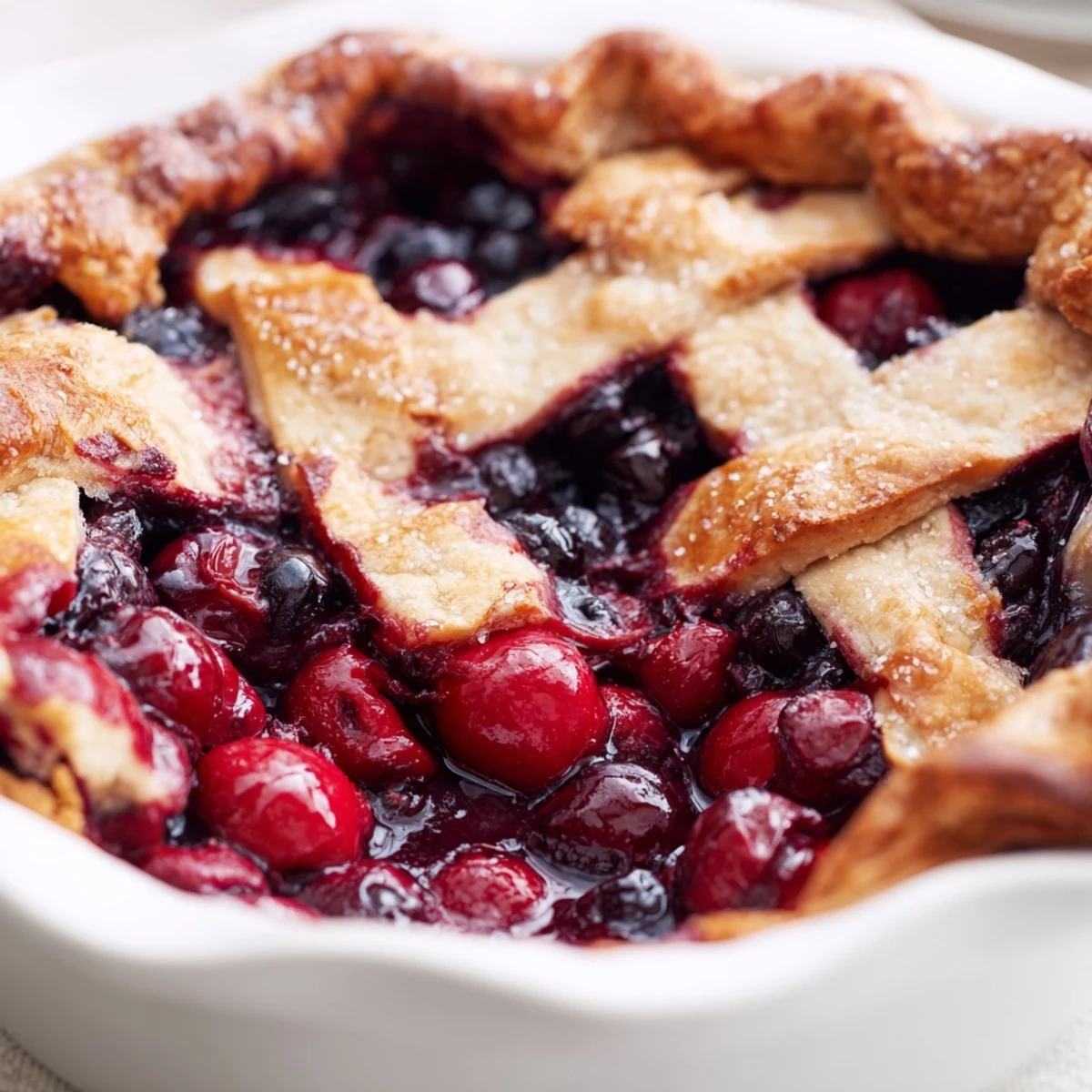
- If the filling oozes, just call it cobbler-style and serve with pride.
- Leftovers (if you have any) taste even better chilled the next day.
- Always place a baking sheet underneath in the oven—those juices love to bubble over.
 Pin it
 Baking and sharing this pie taught me the sweetest moments come from unexpected places. I hope each slice brings a little bit of that to your table as well.
Recipe FAQs
- → How do I prevent a soggy bottom crust?
-
Use cold butter and chill the dough for at least an hour before rolling. Blind-bake briefly or start at a high temperature (400°F) to set the bottom, and ensure the filling is thickened with cornstarch to reduce excess moisture.
- → Can I use frozen fruit?
-
Yes. Toss frozen cherries and blueberries with sugar and cornstarch, and let them sit to release excess juices before filling. Do not thaw completely to avoid a watery filling.
- → What thickener works best for the filling?
-
Cornstarch gives a clear, glossy finish and sets the filling nicely. Use about 3 tablespoons for this quantity of fruit; adjust slightly for very juicy fruit.
- → How should I finish the top for an even bake?
-
A lattice allows steam to escape and shows the filling; a full top with slits works too. Brush with an egg wash mixed with a little milk for a golden shine and sprinkle coarse sugar for texture.
- → How long should the pie cool before slicing?
-
Cool the pie completely, at least 2 hours, so the filling sets and slices hold their shape. Warm slices can be very runny.
- → Any tips for flavor balance?
-
Mix sweet and tart cherries for complexity, add a splash of lemon juice to brighten the berries, and a touch of vanilla or cinnamon for warmth.