
 Pin it
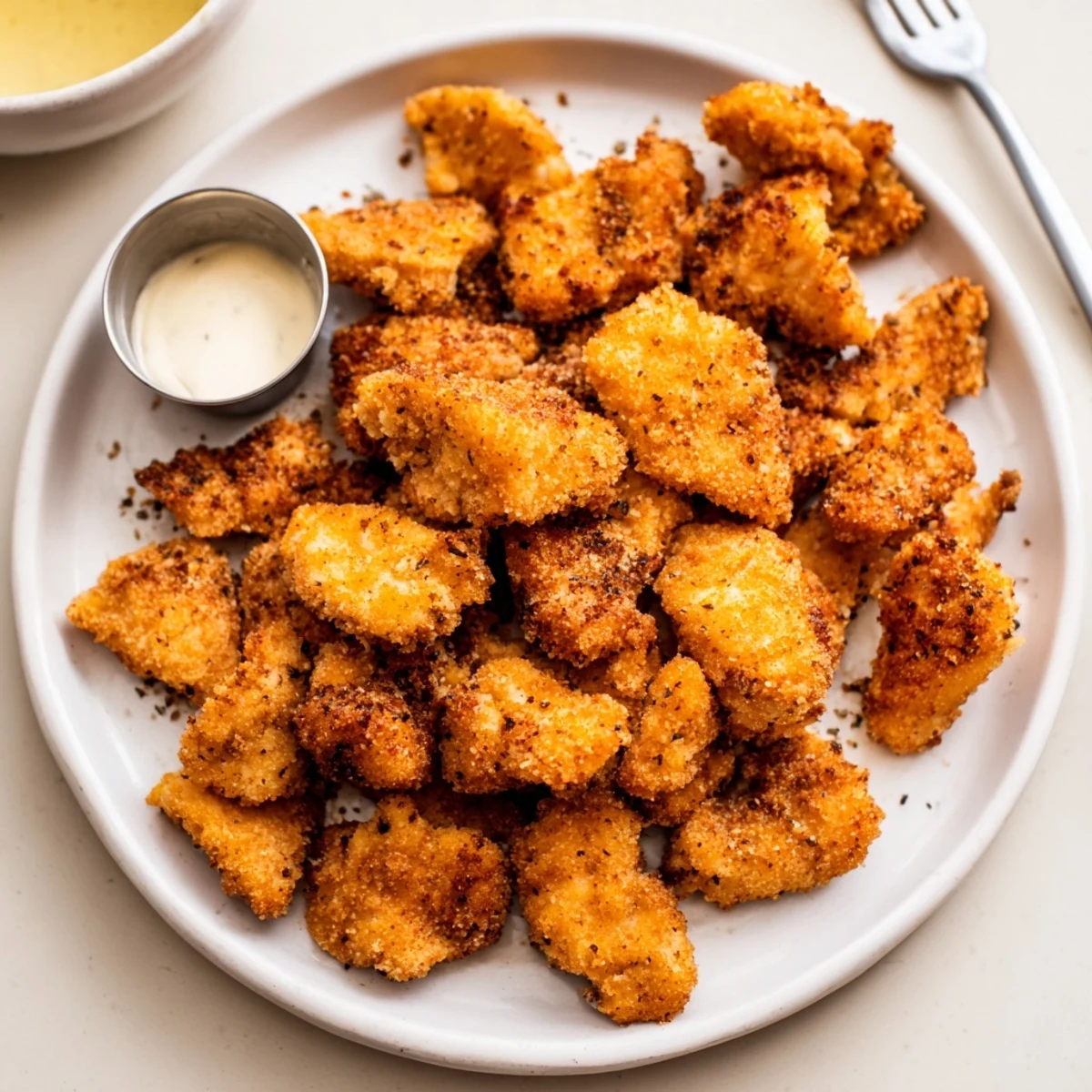
 Buttermilk-soaked chicken pieces get a seasoned flour and corn starch coating for an extra-crisp crust. Heat oil to 175°C (350°F) and fry in batches 3–4 minutes until golden and cooked through. Drain briefly, then serve hot with ranch, honey mustard, or BBQ. For a lighter approach, bake at 220°C (425°F) for 15–18 minutes, turning halfway.
The first whiff of sizzling oil always reminds me of lazy afternoons with music playing softly in the background while I busied myself in the kitchen. Chicken bites came into my life on a whim, when I needed a snack that would please a crowd without much fuss. The sound of flour-dusted chicken cubes dropping into hot oil sounded so satisfying, like applause echoing through the house. These little bites became my go-to whenever I wanted to turn ordinary chicken into something a bit more spirited for friends or family.
One rainy day, four hungry teenagers showed up and this recipe saved the day—everyone ended up hovering over the kitchen island, stealing bites before they even hit the platter. It was the kind of happy chaos that makes you wish it happened more often.
Ingredients
- Chicken breast: Boneless, skinless is best—cutting them into even pieces means every bite cooks perfectly.
- Buttermilk: A secret I picked up to make the chicken extra tender; it’s magic for the marinade.
- Garlic powder: Gives a mellow depth—fresh garlic can be too sharp in this quick marinade.
- Paprika: Adds color and gentle warmth; I love how it perfumes the coating as it fries.
- Salt: Season boldly here, as some will get lost in the oil or breading.
- Black pepper: Just enough to tingle on the finish; grind it fresh if you can.
- All-purpose flour: Creates the classic crispy crust—don’t skip the cornstarch for an even lighter bite.
- Corn starch: I learned this trick from a friend and never looked back; it keeps the coating crisp.
- Onion powder: Subtle, but it rounds out the flavor so the breading isn’t bland.
- Cayenne pepper (optional): On days I want a tiny kick, this does the trick—just a pinch goes a long way.
- Vegetable oil: Choose something neutral for frying; don’t overcrowd the pan or the bites won’t crisp up.
Instructions
- Marinate the chicken:
- Pour the buttermilk and spices over the chicken pieces in a big bowl, stir to coat, and let them chill—even a short rest makes a difference.
- Prepare the breading:
- Mix the flour, cornstarch, and seasoning in a wide, shallow bowl, whisking to break up any lumps.
- Heat the oil:
- Bring your oil up to a lively sizzle—test a scrap of breading, it should bubble and float immediately.
- Coat the chicken:
- Lift each chicken piece out of the marinade, letting it drip, then snuggle it in the flour mix, pressing gently so the crust sticks.
- Fry in batches:
- Work in small groups to avoid crowding; flip the bites once or twice, removing them as soon as they’re deeply golden and crisp.
- Drain and serve:
- Lay the freshly fried pieces on paper towels and present them hot, with dips nearby—there won’t be leftovers.
 Pin it
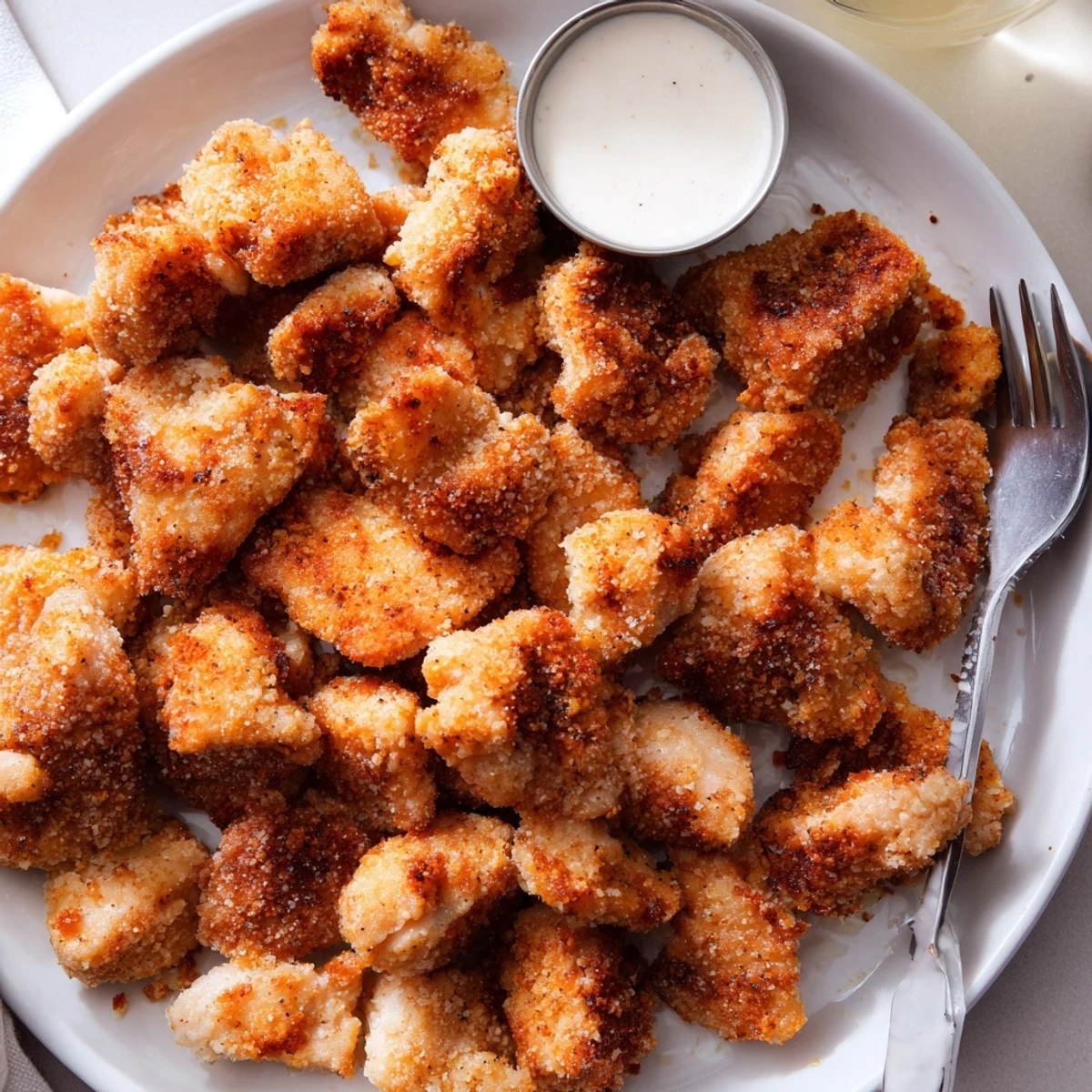
 The first time I served these chicken bites at a backyard game night, laughter mingled with the sound of crunching, and plates came back empty—nobody even remembered to grab napkins. It felt like the food was part of the fun, not just a background snack.
Getting the Crisp Just Right
After some experimenting, I found the chicken comes out best when the oil is shimmering hot but not smoking. If you see the coating browning too quickly, turn down the heat so the inside finishes cooking without burning the outside.
Customizing the Flavors
Sometimes I sneak a teaspoon of parmesan or a sprinkle of dried oregano into the breading for a twist—change it up with whatever's in your spice drawer. If you like more heat, add an extra dash of cayenne or serve with a spicy dipping sauce for a little drama.
Serving and Storing Chicken Bites
Chicken bites are best eaten right away, with plenty of dips on the side—think ranch, BBQ, or honey mustard. If you have leftovers, pop them in a hot oven for a few minutes to revive the crispiness.
- Let the bites rest on a cooling rack to keep them from steaming and getting soggy.
- Double the recipe if you have a big crowd—these disappear quickly.
- Try baking for a lighter version, but keep an eye out so they don’t dry out.
 Pin it
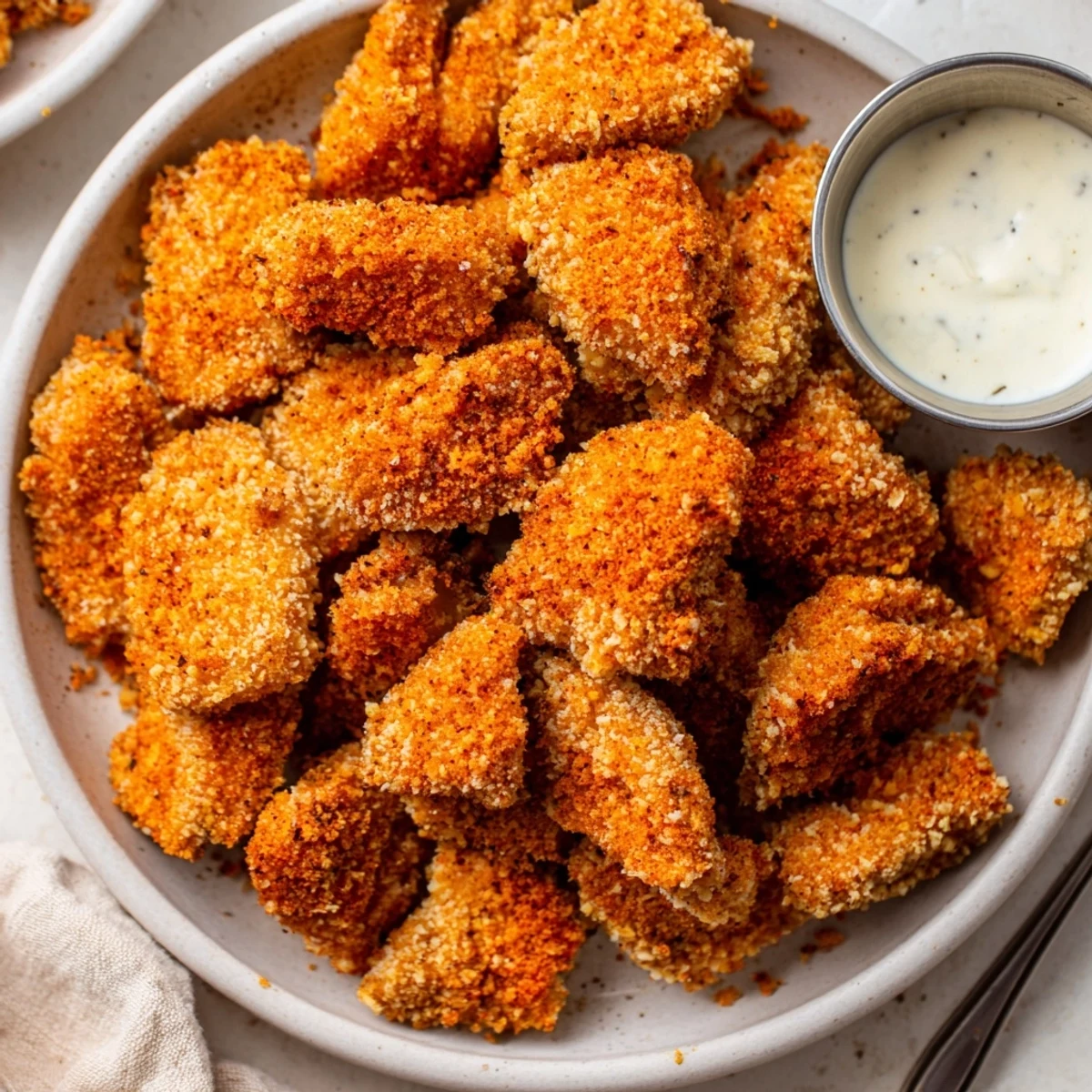
 Once you make these chicken bites, you might find yourself inventing new excuses for another batch. They’re the kind of snack that always seems to bring people closer to the kitchen.
Recipe FAQs
- → How long should the chicken marinate?
-
Marinate in buttermilk for at least 30 minutes to tenderize; for deeper flavor and tenderness you can marinate up to overnight. Even a short 15-minute soak improves texture.
- → What oil temperature is best for frying?
-
Heat oil to about 175°C (350°F). Maintain roughly 170–180°C while frying and cook in small batches so the oil temperature doesn't drop and the crust stays crisp.
- → How do I get an extra-crispy coating?
-
Combine all-purpose flour with corn starch for a light, crunchy crust. Remove excess buttermilk before dredging, avoid overcrowding the pan, and let pieces drain briefly on a rack or paper towels.
- → Can I bake instead of frying?
-
Yes—bake at 220°C (425°F) for 15–18 minutes, turning once. Lightly brush or spray with oil before baking to promote browning and crispness.
- → Which cut of chicken works best?
-
Boneless, skinless breast gives uniform, lean bites; thigh meat stays juicier and is more forgiving if slightly overcooked. Adjust cooking time to reach an internal 74°C (165°F).
- → Any tips for allergen-friendly swaps?
-
Replace buttermilk with a dairy-free milk plus a splash of vinegar for acidity. Use a gluten-free flour blend and tapioca or rice starch in place of corn starch to avoid gluten.