
 Pin it
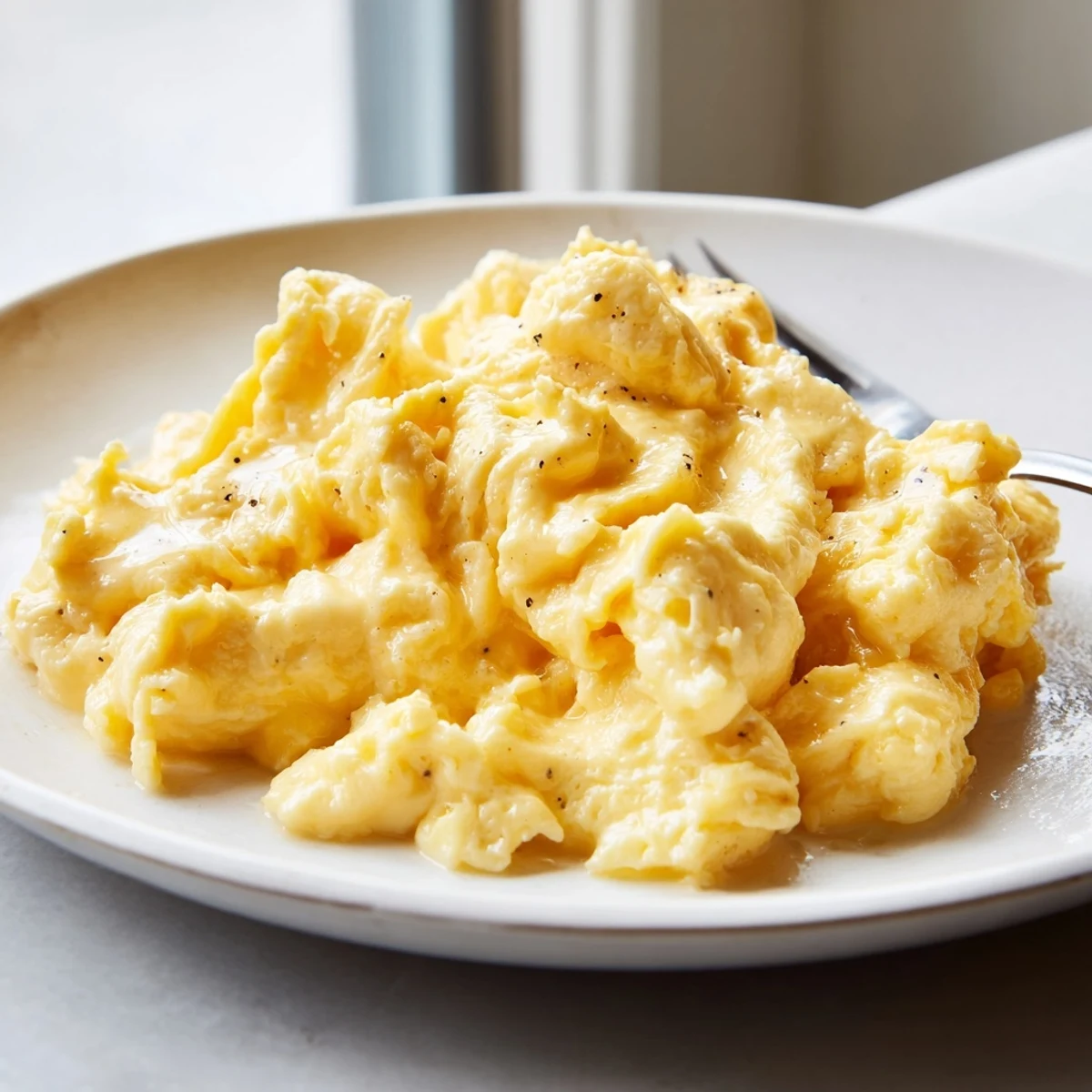
 Transform ordinary eggs into an extraordinary morning dish with this time-honored technique. The secret lies in gentle heat and patient stirring, creating soft curds that melt in your mouth. Rich dairy adds luxurious creaminess while a pinch of seasoning enhances the natural flavors.
Perfect for busy weekdays or leisurely weekend brunches, this versatile dish adapts beautifully to your taste preferences. Serve alongside crispy toast, fresh avocado, or smoked salmon for a complete meal that satisfies every time.
The smell of butter melting in a pan takes me back to Sunday mornings at my grandmother house, where she would stand at the stove in her floral apron, whisking eggs with this quiet, rhythmic focus. She never rushed scrambled eggs, and that is the thing I forgot for years until one rainy morning I stood in my own kitchen, frustrated with rubbery results, and finally heard her voice in my head saying patience makes them creamy.
I made these for my partner on our first lazy weekend together, nervously adjusting the heat and watching the butter foam, and when I slid that plate across the counter, the way they took that first bite and smiled made me realize sometimes the simplest food carries the most weight.
Ingredients
- 4 large eggs: Room temperature eggs whisk more easily and incorporate air for that fluffier texture, so take them out of the fridge about 15 minutes before you start
- 2 tbsp whole milk or cream: This is the secret to restaurant-style creaminess, with cream giving you an even richer result than milk
- 1 tbsp unsalted butter: Unsalted butter lets you control the seasoning, and the milk solids in butter actually help prevent the eggs from sticking to the pan
- 1/4 tsp salt and 1/8 tsp freshly ground black pepper: Whisk these into the eggs before cooking so the seasoning distributes evenly rather than sitting on top
Instructions
- Prep your eggs:
- Crack the eggs into a bowl, pour in the milk or cream, add salt and pepper, then whisk until everything blends together and you see tiny bubbles forming on top.
- Melt the butter gently:
- Drop the butter into a nonstick skillet set over medium-low heat, watching it melt and foam slightly without browning.
- Start cooking:
- Pour in the egg mixture and let it sit for just a few seconds until you see the edges beginning to set and turn opaque.
- Create soft curds:
- Use your spatula to gently push the eggs from the edges toward the center, tilting the pan slightly to let the uncooked egg flow underneath.
- Finish with care:
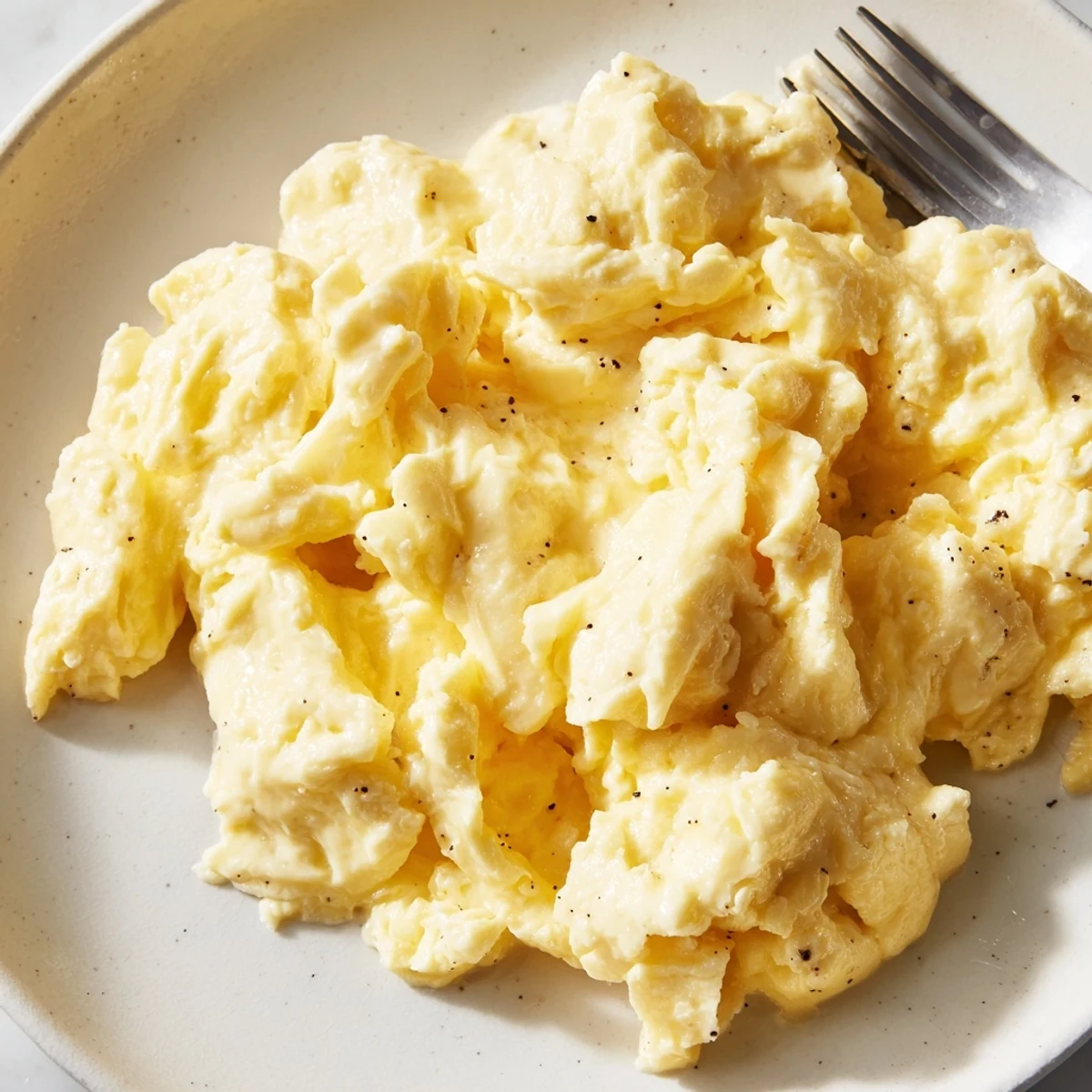
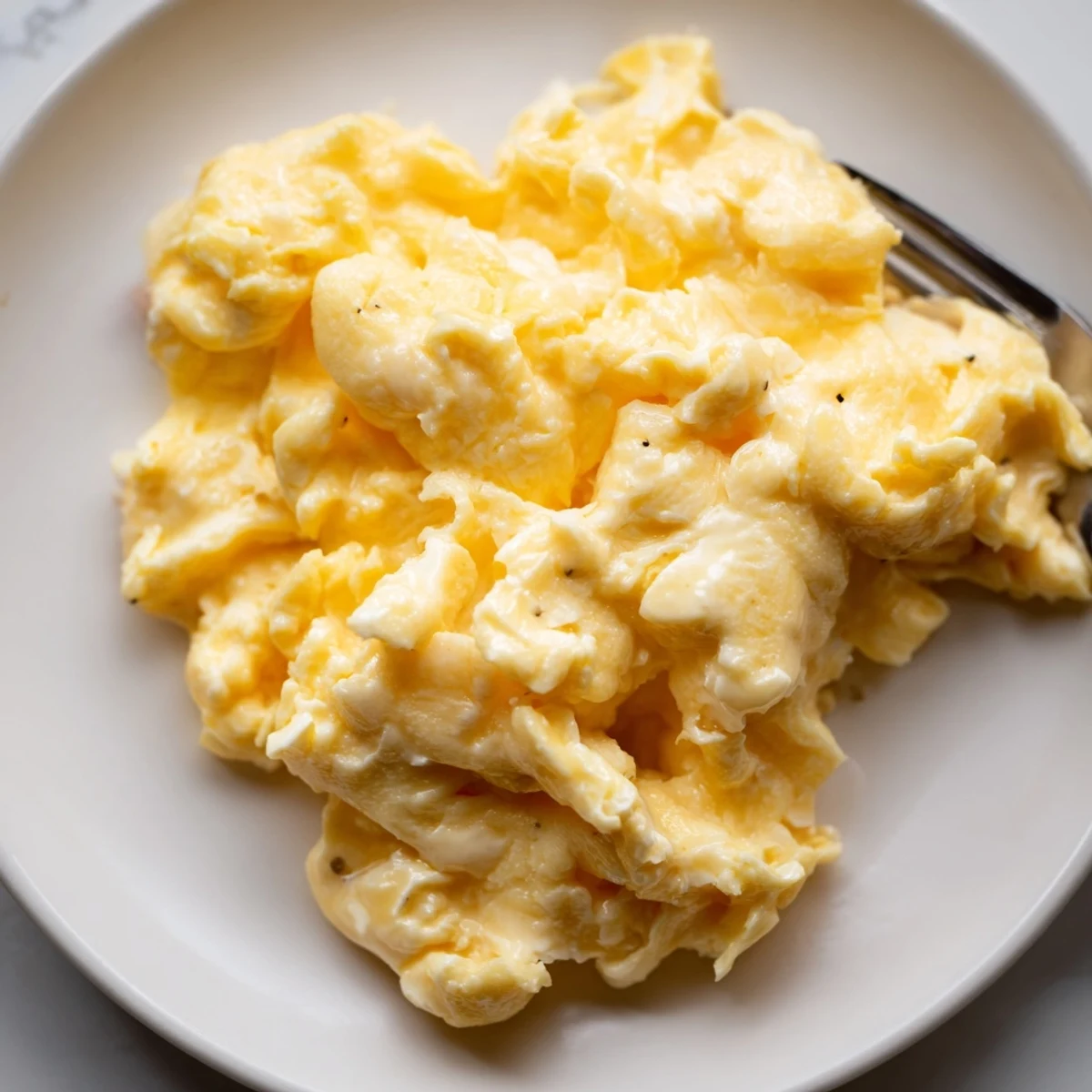
- Keep folding the eggs over themselves until they look set but still glisten with moisture, then immediately slide them onto plates.
 Pin it
 My younger sister visited last month and watched me make these, laughing when I kept lifting the pan off and on the heat to control the temperature, but then she tasted the result and asked me to teach her the trick.
Making Them Your Own
Chives, parsley, or even fresh dill folded in at the very end add brightness, while a handful of grated sharp cheddar melts into the most comforting version imaginable.
What to Serve Alongside
Crispy toast with salted butter is classic, but these eggs also pair beautifully with sliced avocado, smoked salmon, or even sautéed spinach for a more substantial meal.
Common Mistakes to Avoid
Whisking too little leaves you with streaks of white and yolk instead of that uniform golden color, while scrambling too aggressively breaks the curds into tiny, dry pieces.
- Do not let the butter brown or it will give the eggs a nutty, almost burnt flavor
- Avoid using a stainless steel pan unless you are absolutely certain of your nonstick technique
- Never walk away once the eggs hit the pan, they transform in seconds
 Pin it
 Perfect scrambled eggs are about learning to trust your senses more than the timer, and that is a lesson that serves you well beyond breakfast.
Recipe FAQs
- → Why add milk or cream to eggs?
-
Dairy creates extra richness and creaminess while helping to prevent overcooking. The fat content keeps the texture smooth and luxurious.
- → What heat level works best?
-
Medium-low heat prevents rubbery textures and allows gentle cooking. Patience with lower temperatures yields consistently tender results.
- → How do I know when they're done?
-
Remove from heat while still slightly moist and glossy. Residual heat finishes the cooking process, keeping them perfectly creamy.
- → Can I prepare these ahead?
-
Freshly made eggs offer the best texture and flavor. However, you can whisk the seasoned mixture the night before and refrigerate until ready to cook.
- → What herbs work well?
-
Fresh chives, parsley, dill, or tarragon add brightness. Stir them in just before serving to preserve their delicate flavor and vibrant color.