
 Pin it
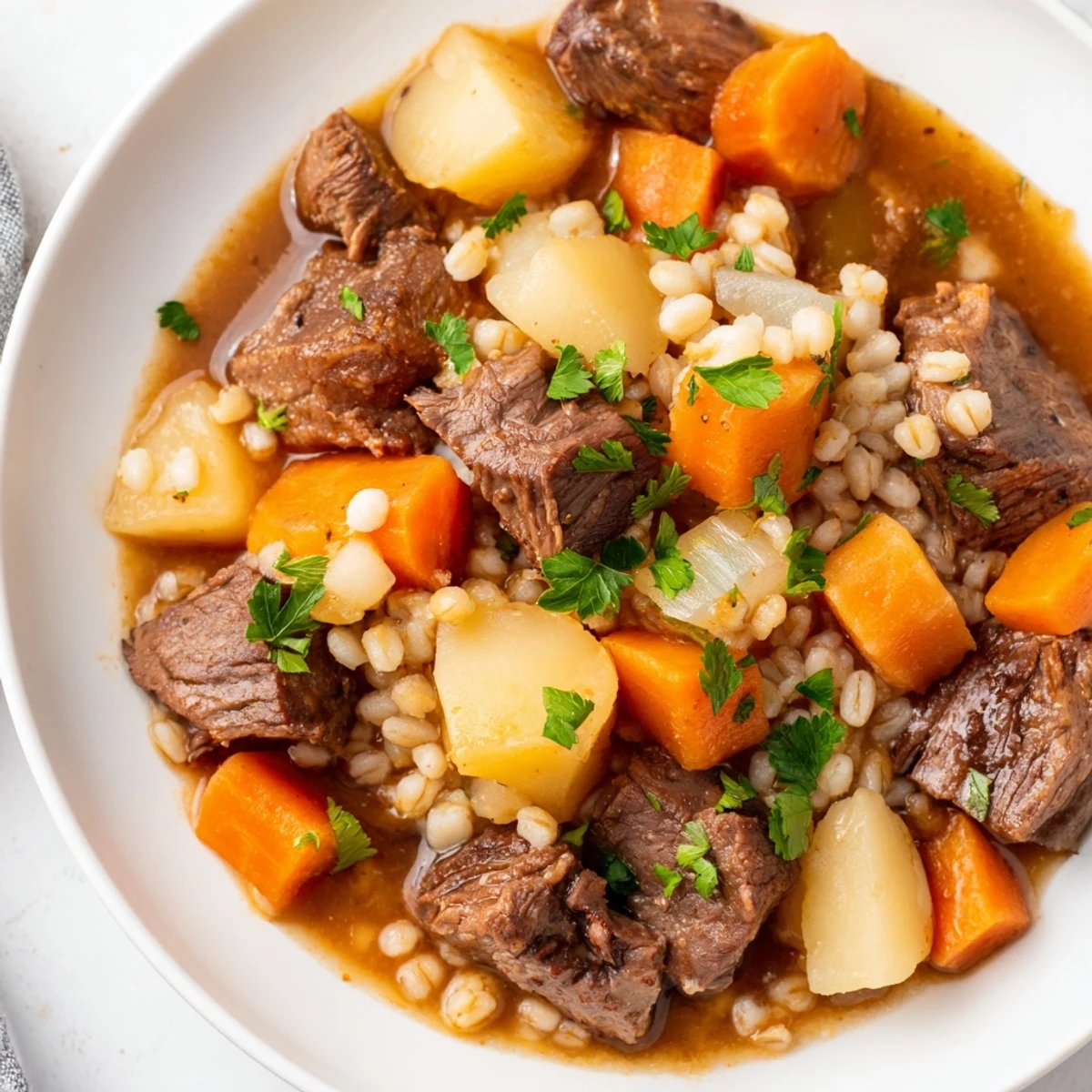
 This hearty Irish classic combines tender cubes of beef with root vegetables like carrots, potatoes, parsnips, and celery, slowly simmered alongside pearl barley in a richly seasoned broth. Aromatic herbs such as thyme and bay leaves infuse the dish during a long, gentle cook time, resulting in a deeply flavorful and comforting meal. Garnished with fresh parsley and best enjoyed warm on chilly days, this dish offers satisfying textures and rich, earthy flavors that meld beautifully after resting.
My tiny apartment kitchen smelled like a restaurant the first time I made Irish stew, the kind of smell that pulls neighbors from their units asking what's happening in there. I'd invited three friends over on a snowy February night, skeptical about whether something so simple could really feed four people properly. By the time we sat down with crusty bread and steaming bowls, the pot was scraped clean and someone was already asking when I'd make it again.
Last winter I made this for my dad, who grew up on actual Irish stew in County Cork, and watched him take that first suspicious spoonful. He went quiet for a moment, then looked up and said the barley reminded him of his grandmother's kitchen, which might be the best review I've ever received. Now it's our snow day tradition, something that feels right no matter how far we are from Ireland.
Ingredients
- Beef chuck: Chuck is perfect here because it becomes meltingly tender after hours of simmering, and those marbled pockets of fat keep everything rich and flavorful
- Pearl barley: This humble grain is the secret that makes Irish stew distinctive, absorbing all the savory broth while adding a lovely nutty chew
- Parsnips: Don't skip them, they bring a gentle sweetness that balances the beef and earthy barley
- Bay leaves and thyme: These herbs are essential for that deep, aromatic base that makes the house smell amazing
- Beef broth: Use a good quality one, or make your own if you have time, since it becomes the backbone of the entire dish
Instructions
- Brown the beef properly:
- Heat the oil in your Dutch oven until it shimmers, then add the beef cubes in batches, giving them space so they actually sear instead of steam. Transfer each batch to a plate while you work through the rest.
- Build your flavor base:
- In the same pot, toss in the onions, carrots, parsnips, and celery, stirring occasionally for about 5 minutes until they soften and start to smell sweet. Add the garlic for just one minute until it becomes fragrant, being careful not to burn it.
- Bring it all together:
- Return the beef to the pot along with any accumulated juices, then add the potatoes, barley, broth, water, bay leaves, thyme, salt, and pepper. Stir everything well and bring it to a bubble before reducing the heat to low.
- Let it simmer:
- Cover the pot and let it cook gently for about 2 hours, stirring now and then, until the beef falls apart when you press it and the barley is tender. Your kitchen should smell incredible by now.
- Finish and serve:
- Fish out the bay leaves and give it a taste, adding more salt or pepper if needed. Ladle into bowls and sprinkle with fresh parsley while it's steaming hot.
 Pin it
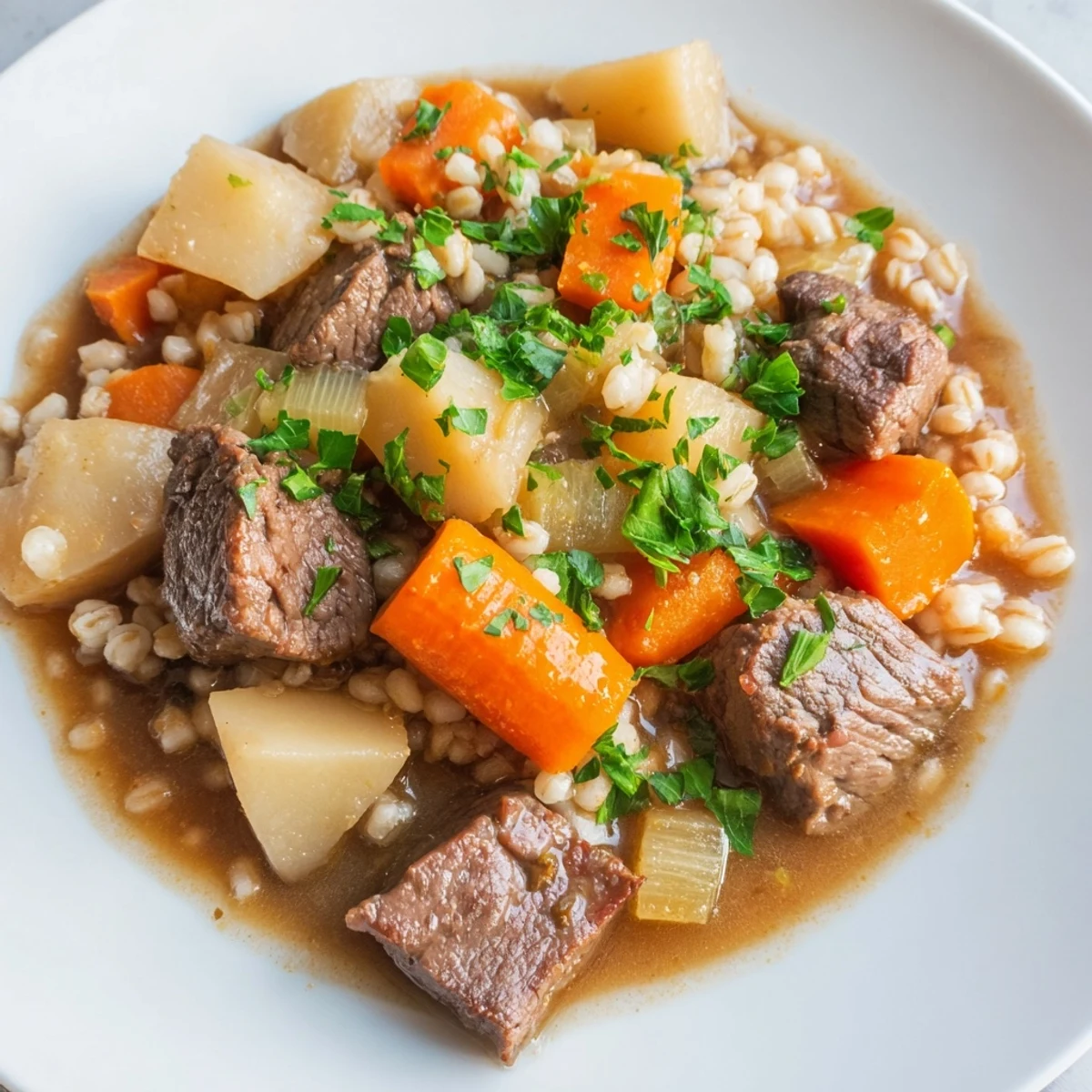
 Something magical happens when you let a stew simmer for hours, the way the whole house takes on that warmth that seems to say everything's going to be okay. My roommate used to wander into the kitchen whenever I made this, just to stand there and inhale, even if she'd already eaten dinner.
The Guinness Secret
Adding a cup of Guinness or dark stout when you pour in the broth creates this incredible depth, almost like a secret ingredient nobody can quite identify. I discovered this by accident one night when I had half a can left over from baking, and now it's the way I always make stew. The beer adds richness without making it taste like booze, and the bitterness balances the sweet root vegetables beautifully.
Leftovers Are Better
This is one of those rare dishes that genuinely improves overnight, as the flavors have time to really meld and the barley continues working its magic on the broth. I always make a double batch now, portioning some into containers for the freezer, because having homemade stew ready to reheat feels like winning at life. Just add a splash of water or broth when reheating, since it thickens up in the fridge.
What to Serve Alongside
A really good crusty bread is non-negotiable here, something with a chewy crumb that stands up to dunking in that thick, barley-studded broth. I like to make Irish soda bread, but any rustic loaf will do the job of sopping up every last drop. Sometimes I'll serve a simple green salad with a sharp vinaigrette to cut through all that richness.
- A cold pint of Guinness or dark stout echoes the flavors in the stew
- Buttered Irish soda bread or a crusty sourdough loaf
- A light green salad with mustardy dressing brightens the whole meal
 Pin it
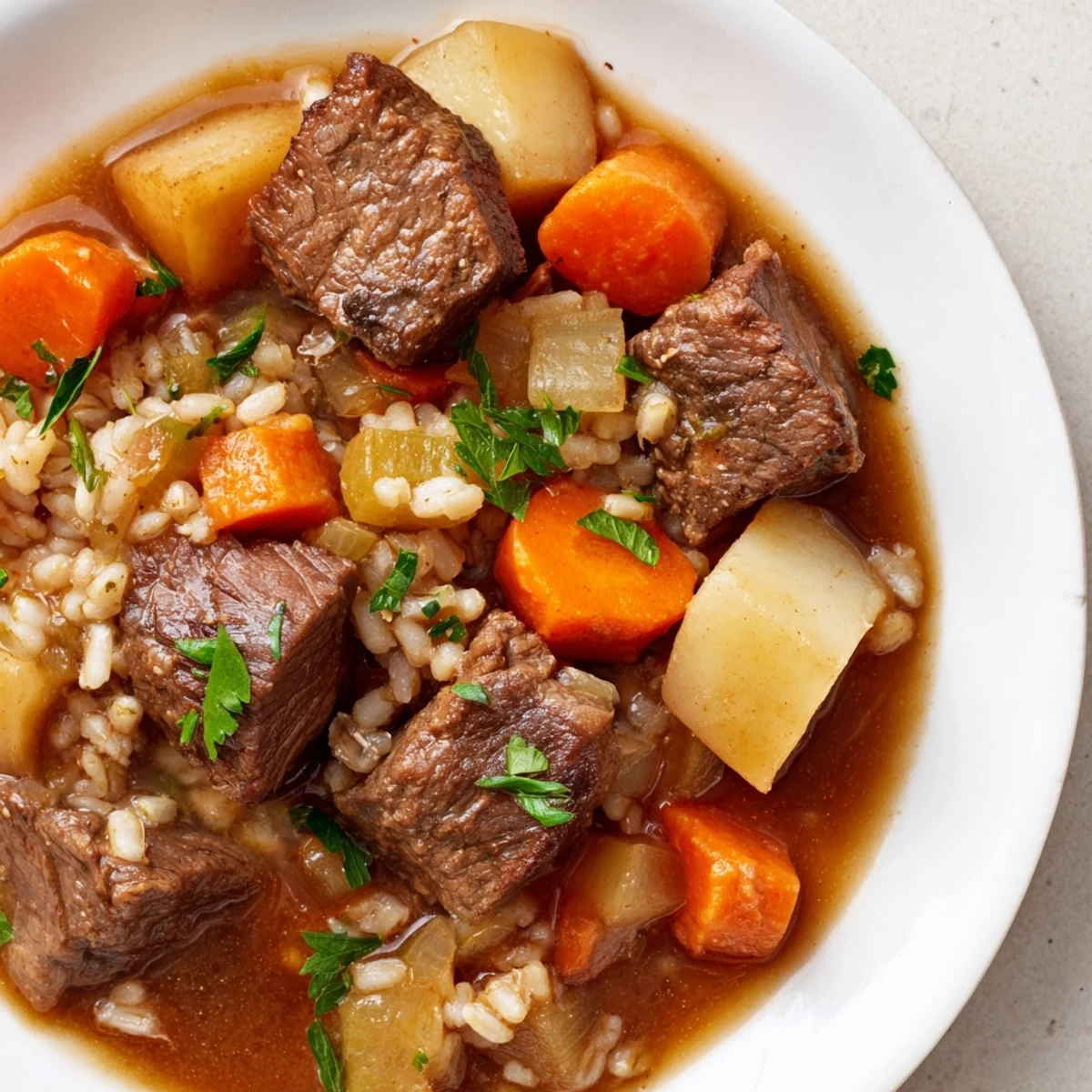
 There's something deeply satisfying about a recipe that requires almost no fancy technique but delivers such comfort and warmth. This stew has gotten me through snowy weekends, sick days, and nights when I just needed something that felt like home.
Recipe FAQs
- → What cut of beef works best for this stew?
-
Beef chuck is ideal due to its balance of fat and connective tissue, which becomes tender and flavorful after slow cooking.
- → Can I substitute the pearl barley with another grain?
-
Yes, you may use steel-cut oats or farro, but cooking times and textures will vary slightly.
- → What herbs enhance the stew’s flavor?
-
Fresh thyme and bay leaves are traditional and provide earthy, aromatic notes that complement the beef and vegetables.
- → How can I thicken the stew if needed?
-
Reducing the liquid by simmering uncovered or mashing some of the cooked vegetables can help achieve a thicker consistency.
- → Is it better to brown the beef before simmering?
-
Yes, browning the beef first creates richer color and deeper flavor through caramelization.