
 Pin it
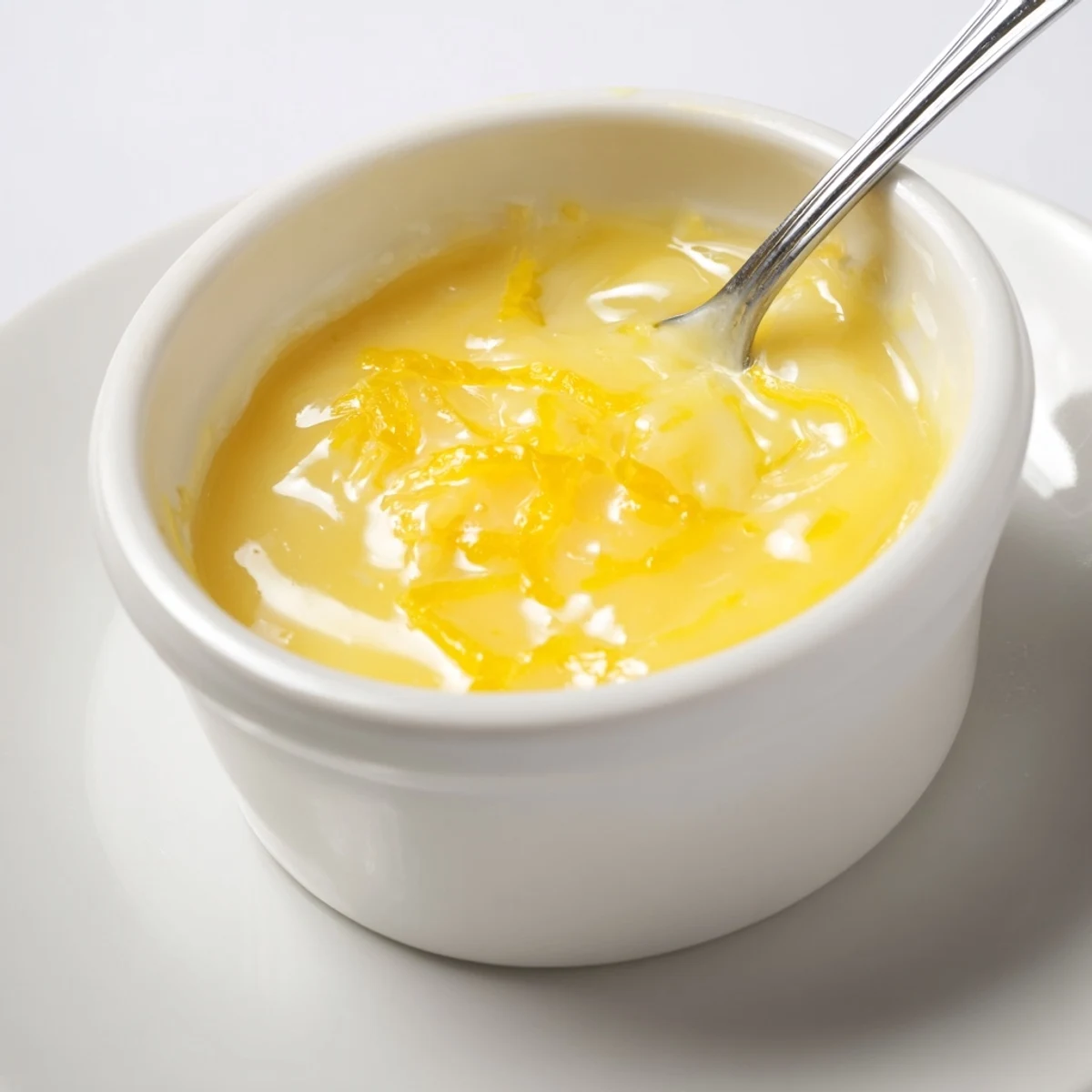
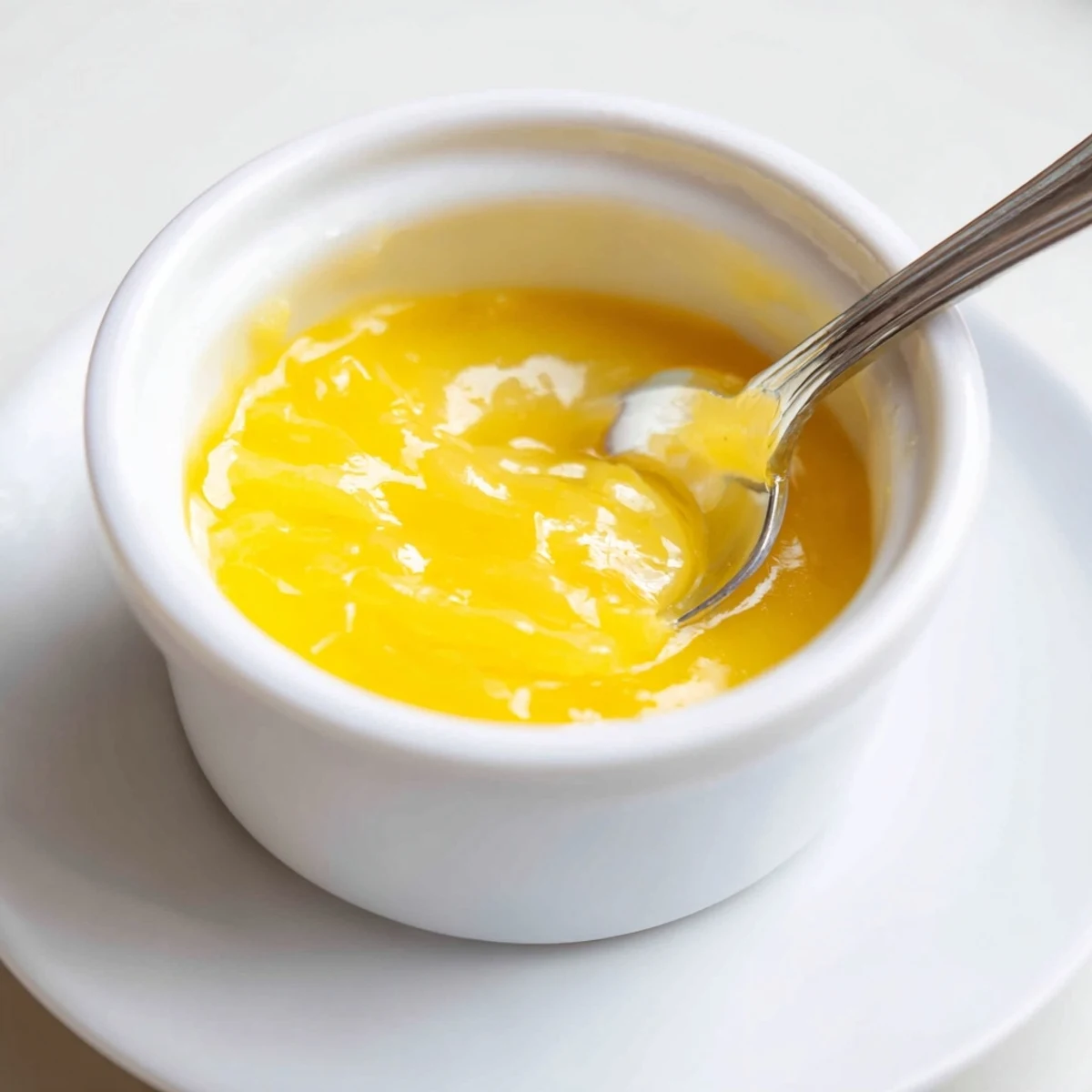
 Bright, tangy lemon curd made by whisking eggs and sugar with lemon zest and juice over a gentle bain-marie until the mixture coats the back of a spoon. Remove from heat and whisk in cold butter for a silky finish, then strain for extra smoothness. Cool, jar, and refrigerate up to two weeks. Use as a filling, spread, or stirred into yogurt for bright citrus flavor.
The scent of fresh lemons buzzing through the kitchen always makes me pause, and making lemon curd is especially inviting on grey mornings when I crave a burst of sunlight on my toast. There's something magical about watching ordinary eggs and sugar transform into glossy gold with just a whisk and a handful of citrus. The gentle pop of zest and the butter melting into the curd is almost therapeutic, especially when you watch it thicken up just so. Each jar feels like a promise of spring, no matter the season.
I once made a double batch of lemon curd on a rainy Sunday because my neighbor dropped off extra lemons from her tree, and by the afternoon, friends were popping by claiming they "heard about the curd." We swapped stories over mugs of tea, spooning it onto scones warm from the oven, and the laughter made the drizzle feel far away. Sharing bright food on dreary days became a little ritual after that.
Ingredients
- Large eggs: Key to the curd's silky texture; I always crack them separately in case of stray shells.
- Unsalted butter: Cubing it helps it melt quickly for an extra-smooth finish, and unsalted lets the lemon flavor shine.
- Large lemons (zest and juice): The zest gives floral brightness, but I zest before juicing to avoid chasing slippery lemons around the counter.
- Granulated sugar: Sets the sweetness balance, and I find whisking it well with the eggs prevents graininess.
Instructions
- Whisk the foundation:
- Crack your eggs into a heatproof bowl and add the sugar, whisking until the mixture is pale and creamy, almost like lemonade foam.
- Add citrus brightness:
- Stir in the freshly grated lemon zest and juice, and you’ll immediately smell the perfume of lemons in the air.
- Set up the double boiler:
- Place your bowl over a saucepan with simmering water, making sure the bottom stays high and dry, and keep whisking gently.
- Thicken patiently:
- Stir and watch as the curd turns glossy and thick, ready when it coats the back of your spoon in about 8 to 10 minutes.
- Add butter magic:
- Off the heat, whisk in the butter cubes until they melt completely, giving the curd a satiny sheen.
- Strain and finish:
- Pour through a fine sieve into a clean bowl to catch any zest or egg bits, then let it cool before spooning into sterilized jars.
- Store safely:
- Seal and refrigerate your jars, knowing the curd will keep its zing for up to two weeks—if it lasts that long.
 Pin it
 The warmest moment was surprising my friend with a jar after her long workweek—she said the lemon curd was like edible sunshine, spooned right from the fridge. Ever since, sharing small jars has been my go-to thank you, and I love the smile it brings every single time.
What to Spread Lemon Curd On
I've swirled it into thick Greek yogurt for breakfast, dolloped it onto pancakes on lazy weekends, and tucked it between layers of sponge cake for birthdays. The tiniest spoonful on toasted baguette or a scone elevates simple moments.
Adjusting for Allergies and Preferences
A friend once stopped by who can't have dairy, so I swapped in plant-based butter and the curd set up perfectly—I regret not trying sooner. Lemon curd is surprisingly adaptable and still tastes like sunshine even with the switch.
Troubleshooting in Real Time
The first time I made this, I panicked when the mixture seemed slow to thicken, but patience and steady whisking saved the batch. Even if you overcook it slightly, straining evens out most mistakes, and a quick chill firms it.
- If your curd looks lumpy, strain it twice while still warm.
- A silicone spatula is your best friend for scraping every last bit from the bowl.
- Store in small jars so you don't risk contaminating the whole batch when dipping in.
 Pin it
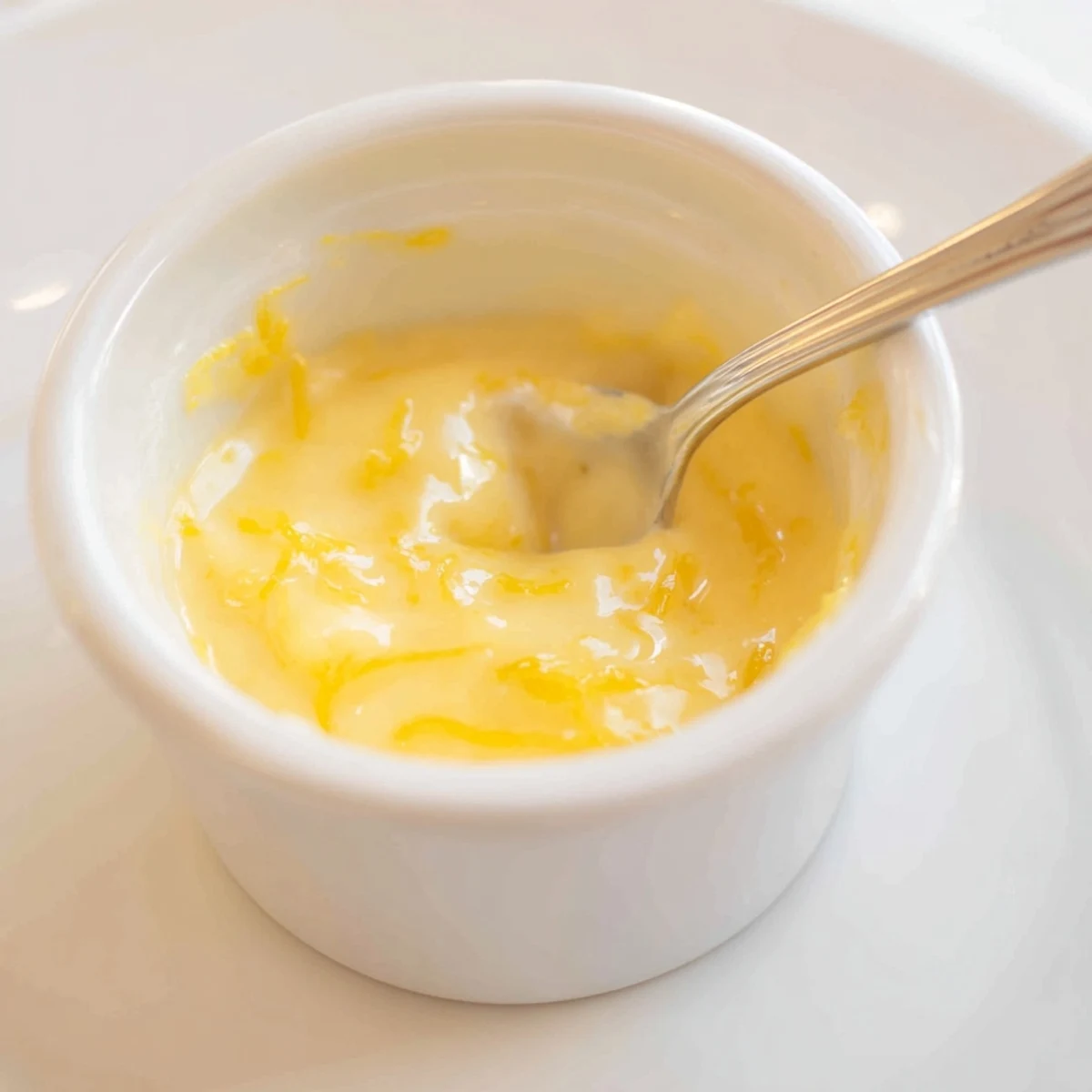
 Bright and so easy to make, homemade lemon curd has a knack for cheering up any table or afternoon. Give a jar to a friend, or just savor each spoonful yourself—you'll be glad you did.
Recipe FAQs
- → How can I tell when the curd has thickened enough?
-
The curd should coat the back of a spoon and leave a clear line when you run your finger through it. This usually takes about 8–10 minutes over simmering water or when the mixture reaches roughly 170°F (77°C).
- → Why use a double boiler (bain-marie)?
-
A gentle bain-marie provides even, controlled heat so the eggs thicken slowly without curdling. It prevents direct high heat that can scramble the mixture.
- → How can I make a dairy-free version?
-
Substitute plant-based butter for the unsalted butter and proceed the same way. The eggs and lemon will still thicken the curd, though the final texture may be slightly less rich.
- → Can lemon curd be frozen?
-
Yes. Cool completely, transfer to freezer-safe containers, and freeze for up to 3 months. Thaw overnight in the fridge and whisk gently before using to restore a smooth texture.
- → How should I store leftover curd?
-
Pour into sterilized jars once cooled, seal, and refrigerate. Stored properly with clean utensils, it will keep for up to two weeks.
- → What are the best ways to use lemon curd?
-
Use it as a tart or cake filling, a spread for scones or toast, swirled into yogurt or ice cream, or as a bright layer between cake tiers.