
 Pin it
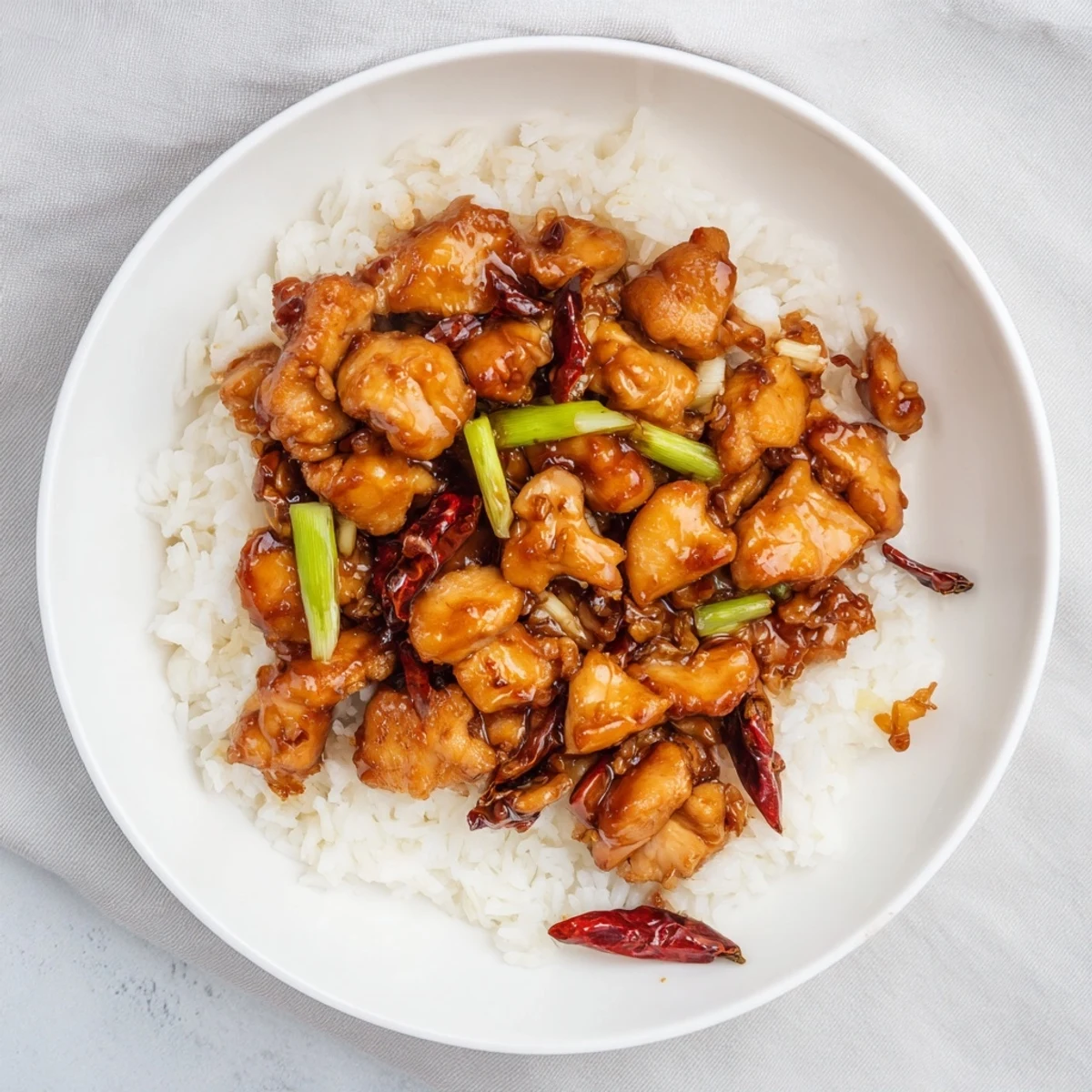
 Bring the restaurant experience home with this Chinese-American favorite that delivers restaurant-quality results in your own kitchen. The secret lies in the perfectly balanced sauce - soy sauce provides deep umami richness while brown sugar adds subtle sweetness that caramelizes beautifully during cooking. Fresh garlic and ginger bring aromatic warmth, while a touch of sesame oil adds nutty depth.
The chicken gets a light cornstarch coating for that characteristic tender texture and golden exterior. Everything comes together in a hot wok or skillet where high heat creates those desirable caramelized bits. The final sauce reduction clings to each piece, creating that glossy, restaurant-style presentation. Serve over fluffy steamed rice and garnish with toasted sesame seeds for the complete takeout experience.
The first time I attempted Mongolian chicken, I stood over my stove questioning why my sauce looked like a dark, glossy pool of disappointment. Turns out I had forgotten the cornstarch slurry that magical thickener that transforms thin liquid into the clingy, caramel-like coating that makes restaurant versions so addictive. Now I make sure to whisk that tiny cornstarch paste separately before adding it to the pan. The moment the sauce bubbles and thickens, coating every piece of chicken in glossy perfection, I know I got it right.
My roommate walked in last Tuesday while I was stirring ginger and garlic into bubbling sauce, immediately asking what smelled like our favorite takeout spot. We ended up eating straight from the wok, standing over the stove, because waiting for plates felt impossible when the aroma was that intoxicating. The dried chilies I added for a kick of heat made the whole apartment smell incredible.
Ingredients
- Chicken thighs or breasts: Thighs stay juicier during high-heat stir-frying but breasts work perfectly if you prefer leaner meat
- Cornstarch: Creates that velvety coating on chicken and later thickens your sauce into glossy perfection
- Low-sodium soy sauce: Lets you control salt levels while still getting deep umami flavor
- Brown sugar: Caramelizes slightly in the heat, adding depth and that characteristic Mongolian sweetness
- Fresh ginger and garlic: Minced finely so they dissolve into the sauce rather than leaving chunky bites
- Rice vinegar: Cuts through the richness and brightens all the savory flavors
- Sesame oil: Just a teaspoon adds that nutty aroma that makes the dish smell authentic
- Scallions: Add fresh crunch and a mild onion bite that balances the heavy sauce
Instructions
- Coat the chicken:
- Toss chicken pieces in cornstarch, salt, and pepper until evenly dusted. This creates a protective layer that seals in juices while giving you that slight crispiness we all love.
- Whisk your sauce:
- Combine soy sauce, brown sugar, water, garlic, ginger, rice vinegar, and sesame oil in a small bowl. Stir until sugar dissolves completely so no gritty spots remain later.
- Prep your slurry:
- Mix remaining cornstarch with water in a separate dish until smooth. This prevents lumps when you add it to hot sauce.
- Sear the chicken:
- Heat oil until shimmering and add chicken in a single layer. Let it develop a golden crust without moving it too much, about 4-5 minutes per side.
- Build flavor:
- Add dried chilies now if using them, stirring for 30 seconds to release their oils. Return chicken to the pan and pour in your sauce.
- Thicken the sauce:
- Bring everything to a simmer, then stir in your slurry. Watch as thin liquid transforms into a glossy coating that clings to each piece.
- Finish with scallions:
- Toss in scallions for the final minute, just until they wilt slightly but still retain their bright color and crunch.
 Pin it
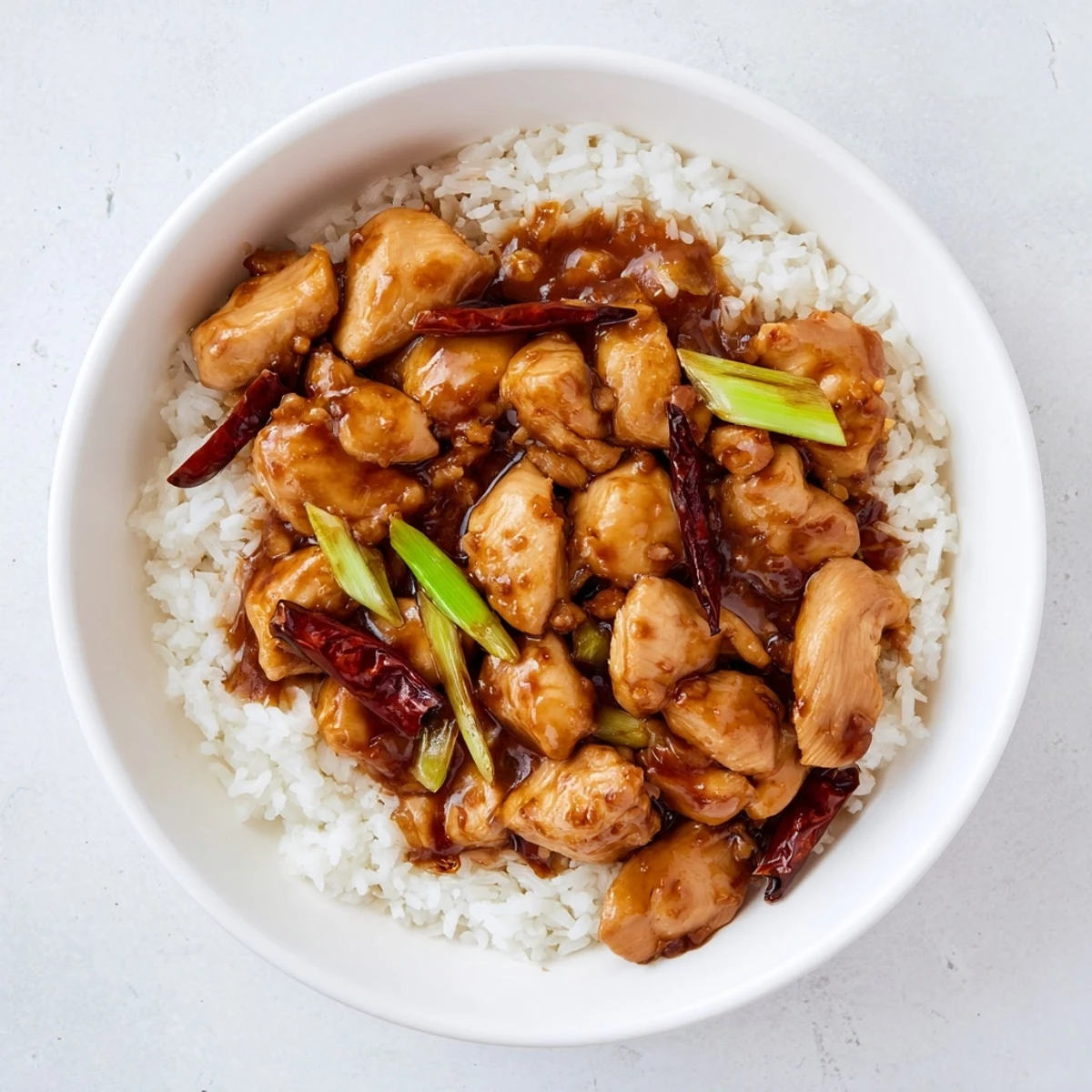
 This recipe saved me during college finals when I needed something comforting but fast enough not to derail study sessions. Now it is my go-to for nights when takeout sounds tempting but I know I can make something better at home.
Getting the Sauce Right
The secret to that restaurant-quality coating lies in when you add the cornstarch slurry. If you add it too early, before the sauce simmers, it will not activate properly. Wait until you see bubbles breaking the surface, then pour it in slowly while stirring constantly.
Perfecting the Chicken
Letting the chicken develop a golden crust before flipping creates texture that holds up better when tossed in sauce. Resist the urge to move pieces around too much during that first 4 minutes. The crust acts as a barrier, keeping meat juicy while preventing the sauce from making everything soggy.
Making It Your Own
Broccoli florets, bell pepper strips, or snap peas turn this into a complete meal in one pan. Add vegetables after searing the chicken but before pouring in the sauce so they cook until tender-crisp. The sauce clings to vegetables just as beautifully as it does to meat.
- Double the sauce recipe if you love extra rice-soaking liquid
- Substitute honey for brown sugar for a lighter, more floral sweetness
- Use tamari instead of soy sauce to keep it gluten-free
 Pin it
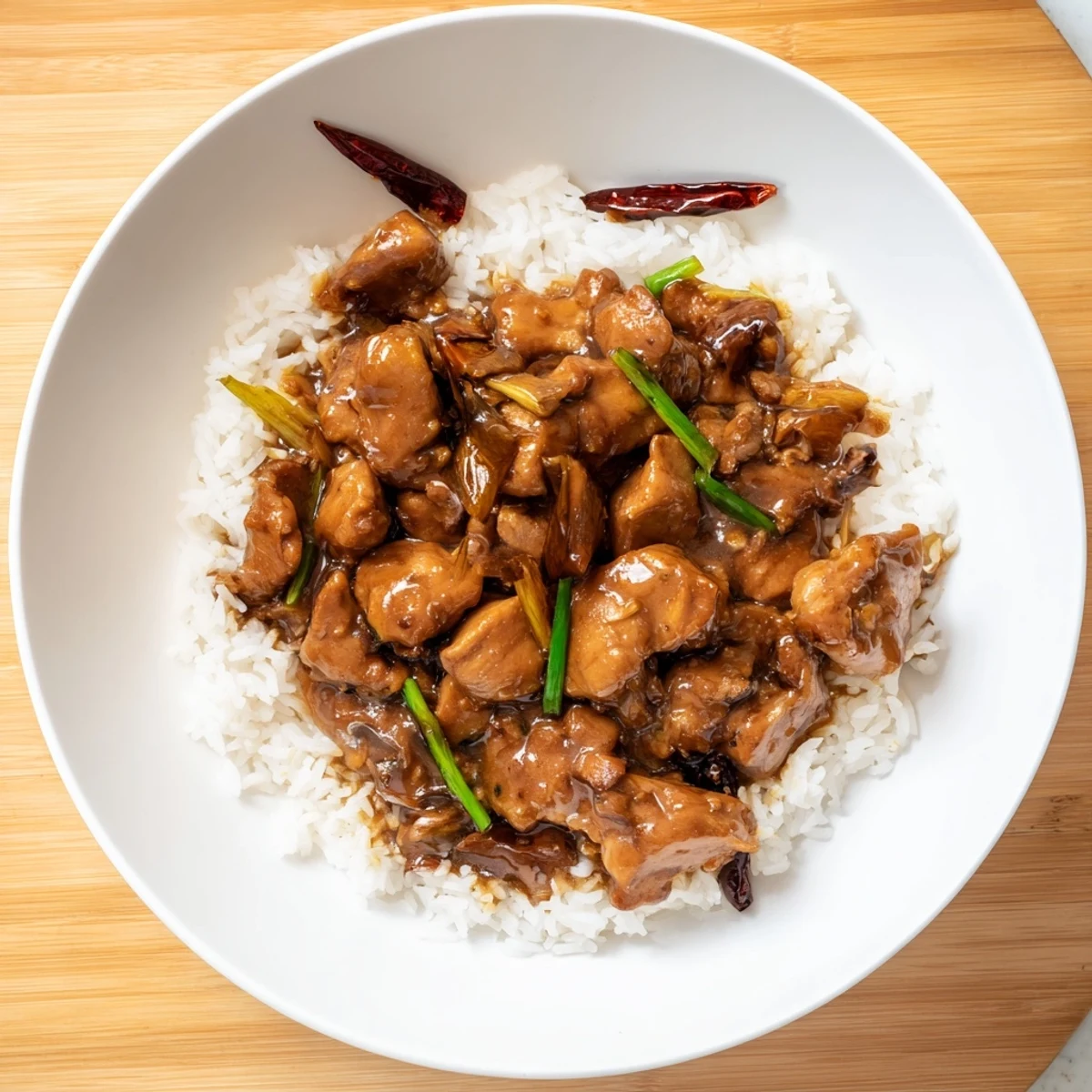
 The best meals are the ones that come together easily but taste like they took all day. This Mongolian chicken hits that sweet spot every single time.
Recipe FAQs
- → What makes Mongolian chicken different from other Chinese dishes?
-
Mongolian chicken stands out for its sweet and savory sauce profile with prominent soy, garlic, and ginger notes. Unlike General Tso's which is heavily breaded and fried, this version uses a lighter cornstarch coating and focuses on the sauce's glossy consistency that coats tender meat pieces.
- → Can I use chicken breast instead of thighs?
-
Yes, chicken breast works perfectly though thighs remain more tender and juicy during cooking. If using breasts, be careful not to overcook as they can dry out faster. Cutting into uniform one-inch pieces helps ensure even cooking regardless of which cut you choose.
- → How can I make the sauce spicier?
-
Add dried red chilies during the initial stir-fry stage, or incorporate red pepper flakes into the sauce mixture. For more intense heat, slice fresh Thai bird chilies and add them along with the scallions in the final minute of cooking.
- → What vegetables can I add to this dish?
-
Broccoli florets, bell pepper strips, snap peas, or sliced carrots all complement the flavors beautifully. Add sturdy vegetables like broccoli and carrots along with the chicken so they cook through completely. Delicate vegetables like snap peas go in during the last few minutes.
- → Can I make this gluten-free?
-
Absolutely. Simply substitute regular soy sauce with tamari or a certified gluten-free soy sauce alternative. Ensure all other ingredients, including the cornstarch and any condiments, are certified gluten-free as well. The cooking method remains exactly the same.
- → How should I store leftovers?
-
Store cooled chicken and sauce in an airtight container in the refrigerator for up to three days. Reheat gently in a skillet over medium heat, adding a splash of water if the sauce has thickened too much. The rice should be stored separately and reheated with a bit of water to restore fluffiness.