
 Pin it
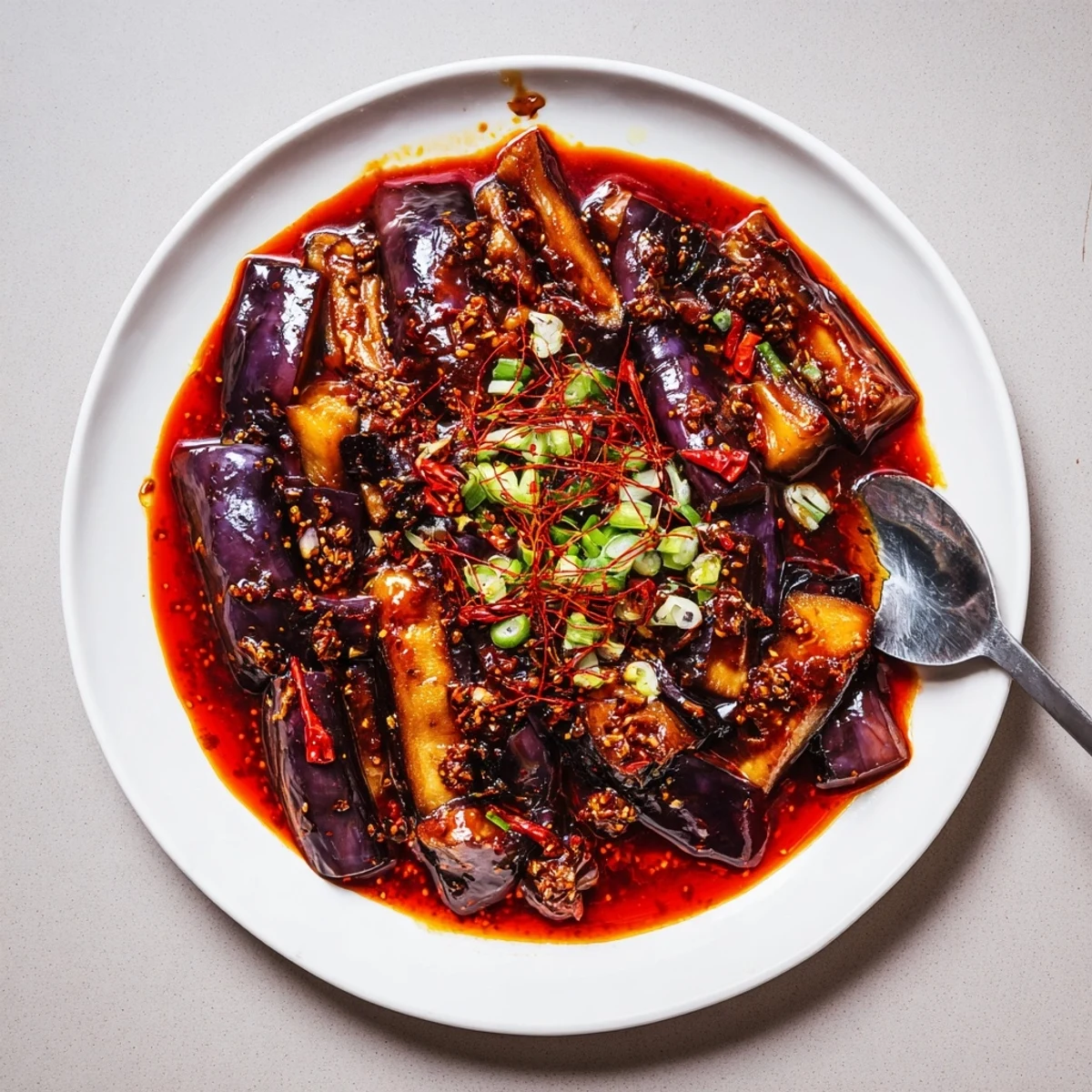
 Salted aubergine batons are fried until golden, then briefly stir-fried with garlic, ginger and doubanjiang to release its aroma. Sauces of soy, dark soy, rice vinegar and vegetable stock simmer until the flesh is very tender; a cornstarch slurry thickens the glossy sauce. Finish with sesame oil and spring onions. Adjust heat with sliced red chili or Sichuan peppercorns; serve with steamed rice or noodles.
One chilly Saturday afternoon, the unmistakable aroma of sizzling garlic and ginger filled my kitchen as I tried my hand at Sichuan style braised aubergines for the very first time. It started innocently enough: my craving for something spicy, deeply savory, and vegetarian led me straight to the glossy purple eggplants in my fridge. There’s always something thrilling about watching aubergines transform from spongey, pale batons into silky, sauce-clad perfection. With a wok snapping and bubbling beside me, I already sensed this dish was going to surprise even myself.
I remember cooking this for a friend who claimed to dislike aubergines—until the first bite changed her mind. We were laughing at the clouds of steam fogging up my kitchen window while I warned her not to judge the dish by its messiness in the pan. The second the glossy, burnished pieces hit her plate, all skepticism was gone. That dinner turned into one of those evenings that feel both special and entirely ordinary, thanks to a perfectly sticky, spicy sauce.
Ingredients
- Aubergines (eggplants): Thick batons help them fry up creamy without falling apart—salt them first to take away any bitterness.
- Spring onions: I love how they add freshness and a gentle crunch on top at the end.
- Garlic: Go heavy-handed with fresh garlic; it infuses the oil and flavors every bite.
- Ginger: Finely chopped for that unmistakable zing – use the juicy centre of the root.
- Red chili (optional): Brings the addicting tingle; leave seeds in for a bigger kick or skip for a milder dish.
- Doubanjiang (Sichuan fermented broad bean chili paste): The soul of the sauce; it makes your kitchen smell incredible and adds deep, umami spice.
- Soy sauce & dark soy sauce: Layers of savory, salty flavor with a hit of color and shine.
- Rice vinegar: Lifts the richness just enough to keep the dish from feeling heavy.
- Sugar: A little sweetness to round out the heat and balance the tang.
- Vegetable stock or water: Helps everything come together as a glossy, spoon-coating sauce.
- Vegetable oil: Generous amounts for proper frying, making the aubergine tender and golden.
- Sesame oil: Drizzle at the end for that nutty perfume you’ll smell before you taste it.
- Salt: Season to taste; careful, since some ingredients already carry saltiness.
- Cornstarch: Whisked with water to thicken the sauce; never skip this step for restaurant-style shine.
Instructions
- Draw out excess moisture:
- Scatter salt over the cut aubergine batons and let them rest for ten minutes; you’ll see beads of water form on the surface. A quick rinse and gentle pat dry make all the difference for frying.
- Fry up the aubergines:
- Pour vegetable oil into a hot wok and listen for the sizzle as the aubergines hit the pan. Turn often till they’re golden and soft, then let them drain—don’t crowd the pan or they’ll steam instead of crisping.
- Sauté aromatics:
- Leave just a slick of oil in the wok and toss in ginger, garlic, and chili. The aroma should hit you after a minute, so don’t rush this part.
- Wake up the sauce:
- Add doubanjiang, stirring until you notice the oil turning a gorgeous red and everything smells robust and spicy.
- Simmer the sauce:
- Return aubergines, then pour in both soy sauces, vinegar, sugar, and stock. Mix carefully so the pieces stay whole and watch as the sauce starts bubbling gently.
- Let flavors mingle:
- Pop on a lid and simmer over low heat for 8 to 10 minutes, until the aubergine is nearly melting and the sauce is thickened slightly around the edges.
- Thicken and finish:
- Stir together cornstarch and water, then swirl the slurry into the wok—within seconds, the sauce should become glossy and clingy. Finish with a trickle of sesame oil and a generous flurry of spring onions before serving.
 Pin it
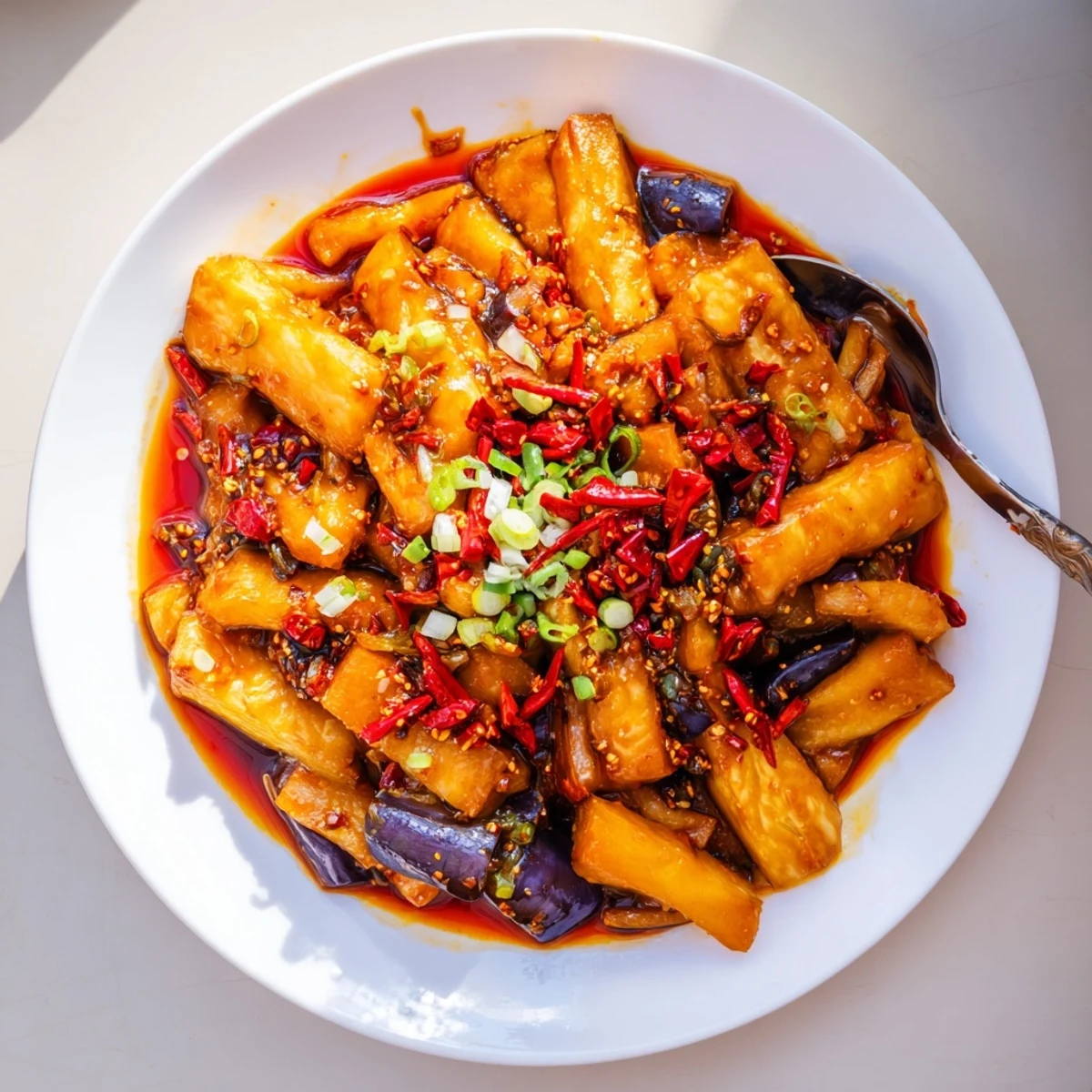
 The night I served this with fluffy steamed rice and a few glasses of chilled tea, the meal felt like an invitation to linger at the table. Each mouthful was a mix of silkiness, heat, and just enough tang to have us returning for seconds, chopsticks clinking in contentment.
Getting That Signature Sichuan Aroma
Sautéing the aromatics until they reach the edge of golden means the base of your sauce hums with flavor. Sometimes the sizzle and spicy steam will have everyone asking, What on earth are you making in there? Don’t rush that minute, and let the ginger, garlic, and chili truly bloom before adding anything else.
Mastering the Aubergine Texture
I learned the hard way that too little oil gives you tough, chewy pieces; too much means they soak it all up. Find that balance where they fry to golden but stay cushiony on the inside. Draining them on paper towels and resisting the urge to flip obsessively helps keep the structure right for soaking up the sauce.
Little Upgrades for Next-Level Flavor
Try tossing in a handful of Sichuan peppercorns with the aromatics for that delightful, tingly numbness. Toasted peanuts or roasted cashews scattered on just before serving give each bite a little crunch and contrast. Don’t forget to double-check all your sauces if you’re cooking for anyone with allergies—surprising how often gluten sneaks into bottles.
- Let the dish rest two minutes after finishing for even richer flavor.
- Leftovers reheat beautifully in a nonstick skillet—just add a splash of water.
- Always taste before serving as sauces can vary in saltiness.
 Pin it
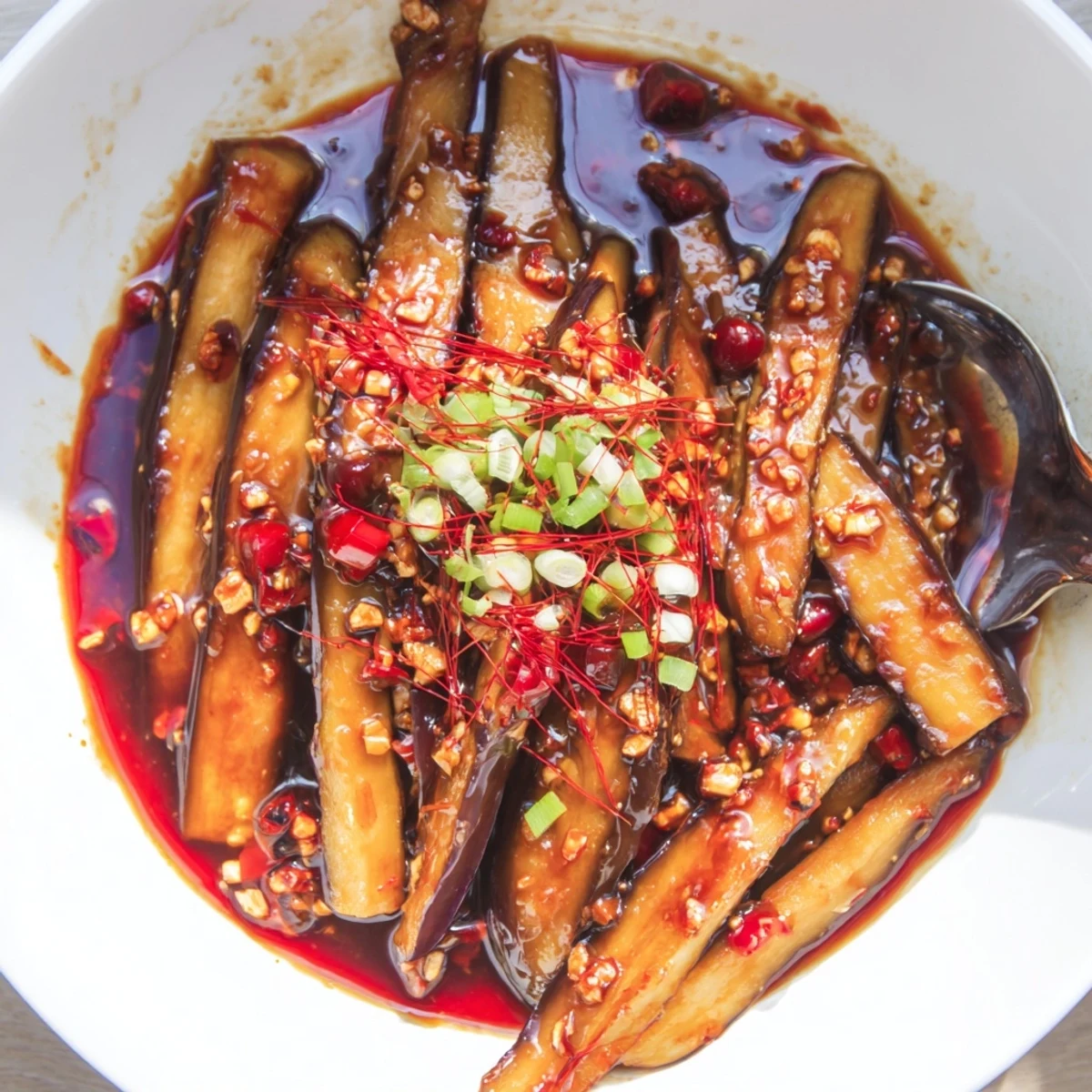
 Chopped scallions and a drizzle of sesame oil make every serving feel special even on an average weeknight. Here’s to dishes that taste like a little adventure every time you make them.
Recipe FAQs
- → What can I use if I don't have doubanjiang?
-
Substitute with chili garlic sauce mixed with a teaspoon of fermented bean paste or miso to add depth. Start with less, taste, and build heat and salt gradually.
- → How do I keep aubergines from turning soggy?
-
Salt the cut aubergine to draw out moisture, rinse and pat dry. Fry in hot oil without overcrowding so pieces brown quickly; drain briefly on paper towels to remove excess oil.
- → Can I bake or roast the aubergine instead of frying?
-
Yes. Toss batons in oil and roast at high heat until tender and slightly charred, then finish in the pan with the sauce. Roasting uses less oil but yields a drier surface that soaks up sauce nicely.
- → How can I reduce the spiciness while keeping flavor?
-
Use less doubanjiang and omit seeds from fresh chili. Balance heat with a touch more rice vinegar or sugar and add extra stock to mellow intensity without losing savory notes.
- → What are good serving suggestions?
-
Serve over steamed jasmine rice or with noodles to soak up the sauce. Garnish with sliced spring onions, sesame oil, and toasted peanuts for crunch and contrast.
- → How should I store and reheat leftovers?
-
Keep leftovers refrigerated in an airtight container for up to 3 days. Reheat gently in a skillet with a splash of stock to loosen the sauce and revive texture; avoid microwaving dry pieces.
- → Is this suitable for gluten-free or vegan diets?
-
The dish is vegan if using vegetable stock and no animal ingredients. Check soy sauce and doubanjiang for gluten; substitute tamari or a certified gluten-free paste if needed.