
 Pin it
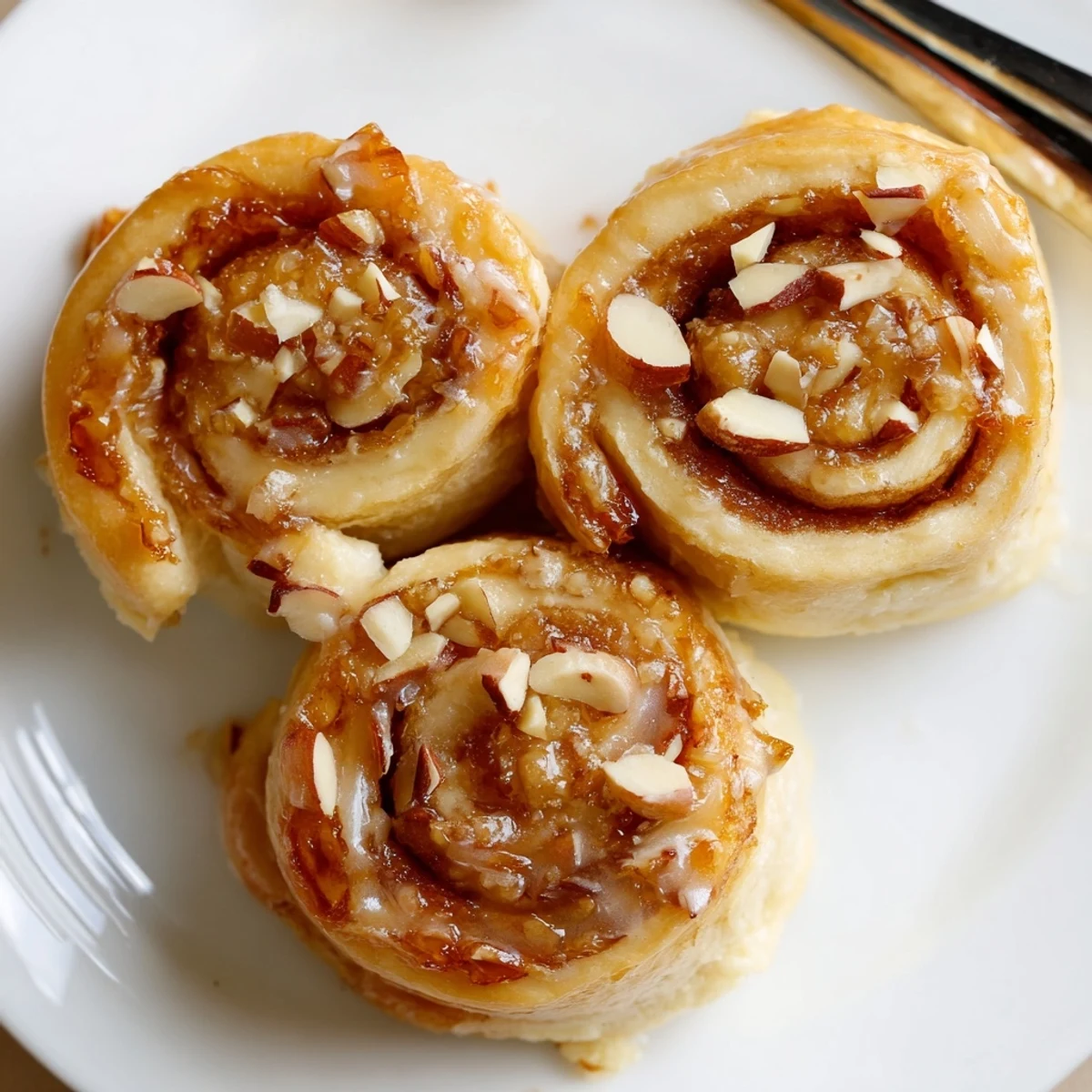
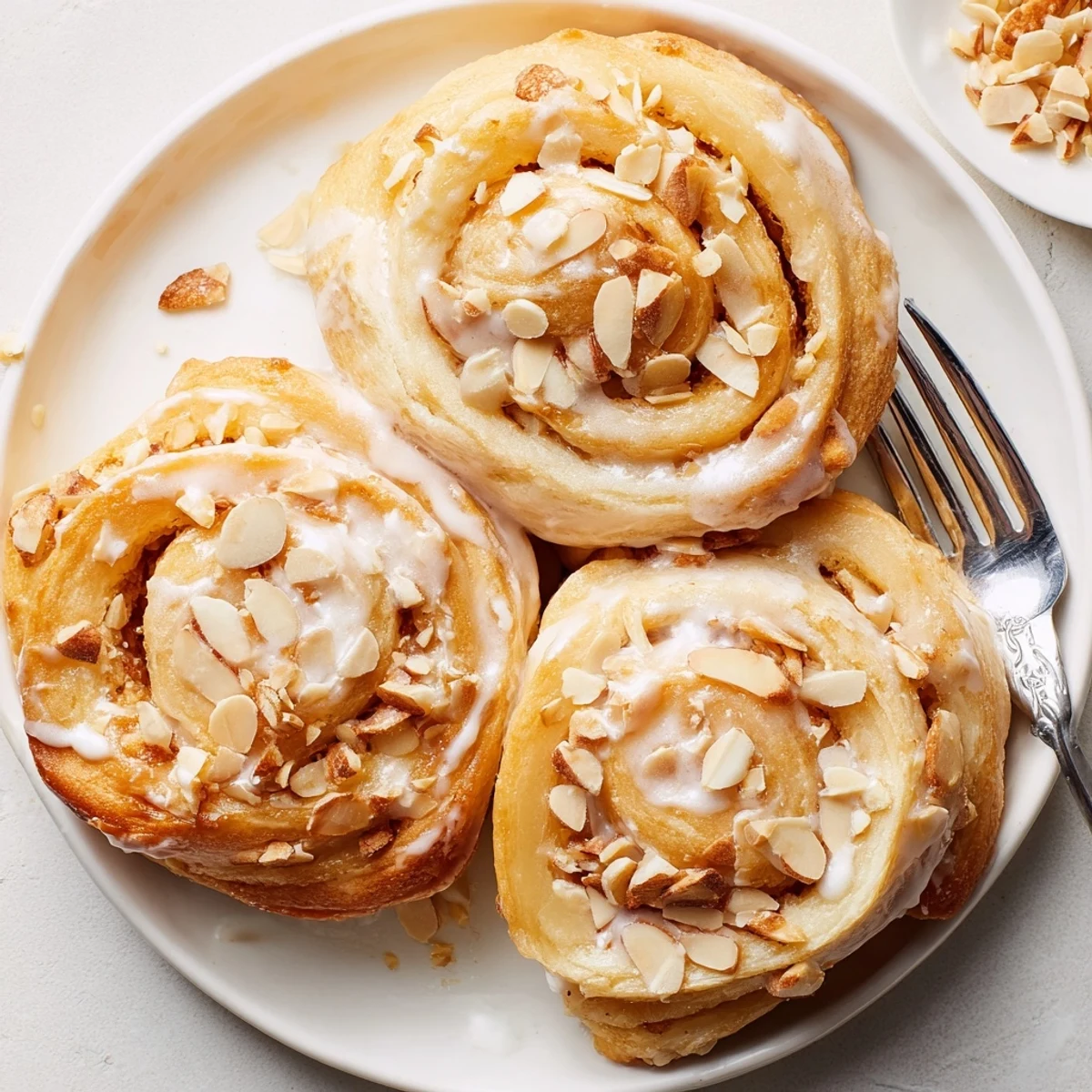
 These soft, yeasted rolls are filled with a smooth almond-and-cream-cheese mixture studded with chopped almonds. After a brief knead and a one-hour rise, the dough is rolled to a 16x10-inch rectangle, spread with filling, rolled tightly and sliced into 12 pieces. A 30-minute second rise precedes a 22–25 minute bake at 350°F, then a powdered sugar-almond glaze and toasted sliced almonds finish the rolls. Makes 12 servings; total time about 2 hours including rises.
The scent of warm almonds drifting from my kitchen one rainy morning tempted my sleepy housemates out of bed before the timer had even buzzed. There&aposs something about that sweet, slightly floral fragrance, mixed with cream cheese, that makes the whole process feel almost celebratory. If you&aposve never experienced the giddy anticipation of watching rolls puff up in a softly lit oven, you&apose in for a little magic. Taking these out while they&apose golden and irresistibly fragrant has become an unexpected joy in my baking routine.
The first time I baked these for a weekend brunch, the kitchen was filled with chatter and a bit of friendly competition over who could slice the neatest spirals. We all hovered by the oven window, half joking about who deserved the best corner piece. My niece, a notorious almond skeptic, declared three bites in that she was officially converted. That won me recipe-request messages for weeks afterward, and not just from her.
Ingredients
- All-purpose flour: It gives the rolls their signature fluffy structure—be sure to spoon and level, not scoop, for accuracy.
- Granulated sugar: I learned that just enough balances the almond flavor without becoming cloying.
- Active dry yeast: Letting it wake up in warm milk really is the secret behind that cloudlike texture.
- Salt: This underrated player sharpens all the sweet and creamy notes.
- Whole milk: Warmer than room temp but not hot, so you don&apost accidentally deactivate your yeast.
- Water: A splash keeps the dough soft and easy to knead.
- Unsalted butter: Don&apost shortcut this—let it soften, and your dough will thank you.
- Egg: Provides richness and helps everything meld together for a tender crumb.
- Cream cheese: Make sure it&aposs softened, so it blends into a dreamy filling with no lumps.
- Almond extract: Go slow—it&aposs potent, but essential for that bakery-style aroma.
- Chopped almonds: Finely chopped is best, so you get a bit in every mouthful without crunch overload.
- Powdered sugar: Sifts into a glaze that drapes the rolls without cracking.
- Sliced almonds (for garnish): Toasting them lightly adds flavor and a finishing touch of crunch.
Instructions
- Get Your Dough Going:
- Stir flour, sugar, yeast, and salt in a big bowl, then introduce the cozy-warm mixture of milk, water, and butter along with the egg. If the dough feels tacky but smooth after kneading for several minutes, you&aposre on the right track.
- Rise and Shine:
- Snuggle your dough into a greased bowl, then cover and let it rise somewhere cozy—a slightly warm oven (turned off) works wonders—until doubles in size.
- Mix the Filling:
- Beat cream cheese with sugar and almond extract until airy and smooth, then fold in the chopped almonds for texture and flavor throughout.
- Shape and Fill:
- Punch down the dough, roll it into a generous rectangle, and spread that creamy almond filling edge to edge without tearing the dough.
- Roll, Slice, and Arrange:
- Roll tightly from the long side, babying it so the filling stays put, then cut 12 thick swirls and nestle them into your buttered dish.
- Final Proof:
- Allow the rolls to puff up again, covered, for about 30 minutes—watch them grow chubby and ready to bake.
- Bake:
- Slide into a preheated oven at 350F and let the rolls turn golden brown, resisting the urge to open the door too soon—about 22–25 minutes.
- Glaze and Finish:
- Whisk powdered sugar, milk, and a touch of almond extract into a silky glaze, drizzle over warm rolls, and scatter toasted almonds for that crunch.
 Pin it
 There was a clattering of forks and soft laughter around the table the first time these made their debut as a dessert. Watching friends swipe up stray glaze and almond crumbs off their plates with their fingers made me appreciate how a simple batch of rolls can spark a little shared happiness. Sometimes, that&aposs all you need for a memorable get-together.
Making the Rolls Ahead
On busy mornings, I learned to assemble the rolls the night before and pop them in the fridge. Letting them do their final rise overnight means less stress (and less flour on the kitchen floor) when you want fresh-baked rolls first thing.
Customizing Your Filling
If cream cheese and almond aren&apost your go-to flavors, slip in a little citrus zest or swap the almonds for pecans. I once tossed in a handful of chopped cherries for a burst of color and tartness, and it disappeared just as quickly as any classic batch.
Finishing Touches That Wow
Sometimes just brushing the warm rolls with a little extra melted butter before glazing makes a huge difference in shine and softness. If you want that bakery-worthy look, don&apost skip the toasty almonds on top—they&apost just pretty, they add crunch and flavor, too. And for a little sparkle, try a light dusting of powdered sugar after glazing.
- If you want the glaze extra thick, let the rolls cool a bit more before drizzling.
- Use unflavored dental floss instead of a knife for perfect, clean spirals.
- Remember, these are best shared warm—someone will always ask for seconds.
 Pin it
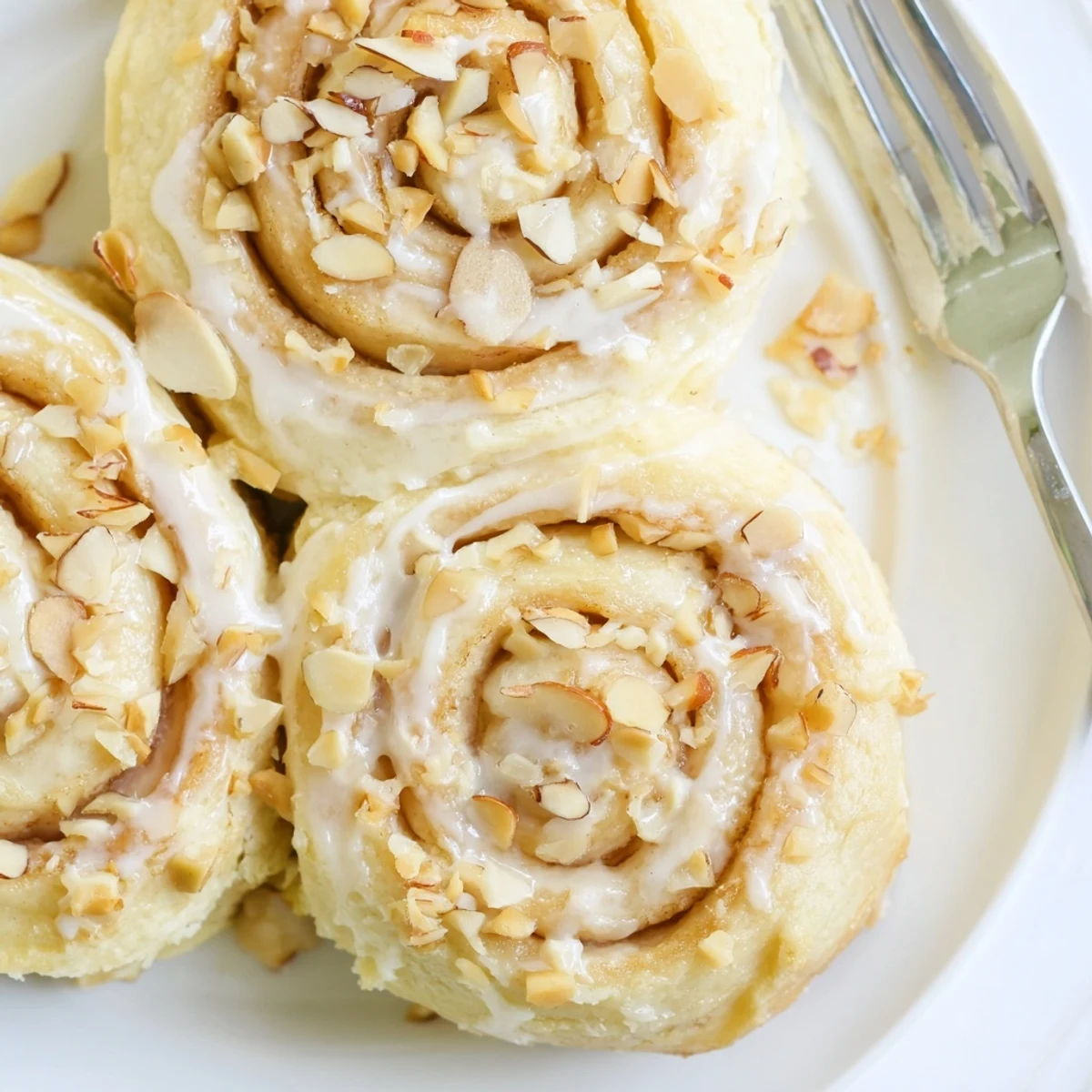
 Whenever you serve these almond cream cheese rolls—breakfast, brunch, or dessert—the kitchen will smell like something worth celebrating. Savor every swirl and crumb, and don&apost be surprised when you&aposre asked to make them again soon.
Recipe FAQs
- → Can I use a milk substitute?
-
Yes. Almond or oat milk work well warmed in place of whole milk. Note that plant milks can yield a slightly different browning and a lighter crumb, so watch rise and bake times closely.
- → How do I avoid a soggy filling?
-
Keep the cream cheese well softened but not runny, drain any excess moisture, and spread a thin, even layer. Seal the dough seam tightly when rolling to prevent filling leakage during the second rise and bake.
- → Can I make these ahead or freeze them?
-
Yes. After shaping, cover and refrigerate for up to 24 hours or freeze unbaked rolls on a tray, then transfer to a bag. Thaw in the fridge overnight, allow to come to room temp and rise before baking. Baked rolls also freeze; reheat gently.
- → What can I substitute for chopped almonds?
-
Pecans or walnuts are excellent swaps for chopped almonds and add a complementary flavor. Toast them briefly to bring out oils and crunch before folding into the filling.
- → How can I tell when the rolls are done?
-
They should be evenly golden brown on top and sound slightly hollow when tapped. Internal temperature often reaches around 190°F for enriched doughs, but visual and tactile cues work well: a firm, golden exterior indicates doneness.
- → Best way to toast sliced almonds?
-
Toast sliced almonds in a dry skillet over medium heat, shaking frequently, until fragrant and lightly browned (1–3 minutes). Alternatively, spread on a baking sheet and toast at 350°F for 5–7 minutes, watching closely to avoid burning.