
 Pin it
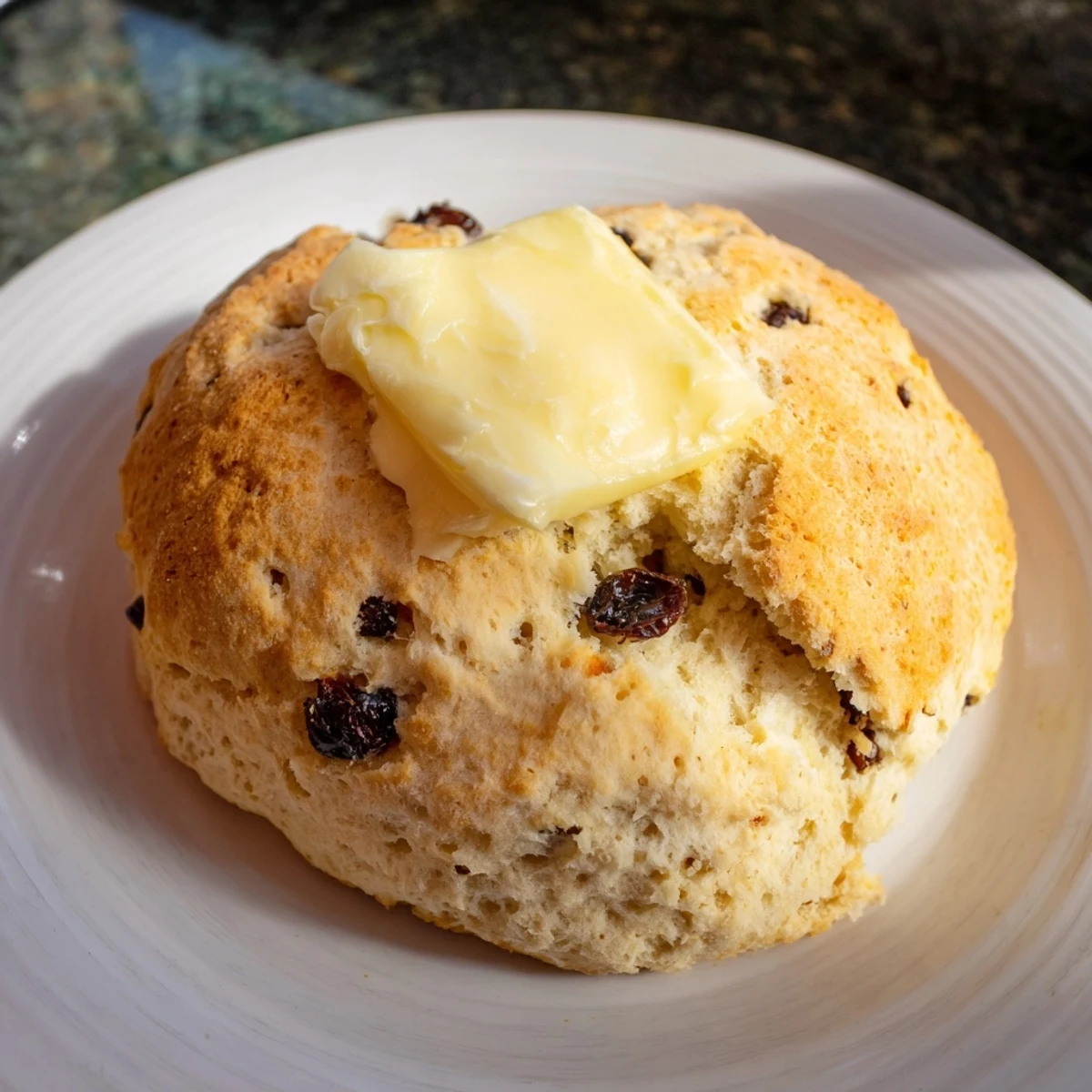
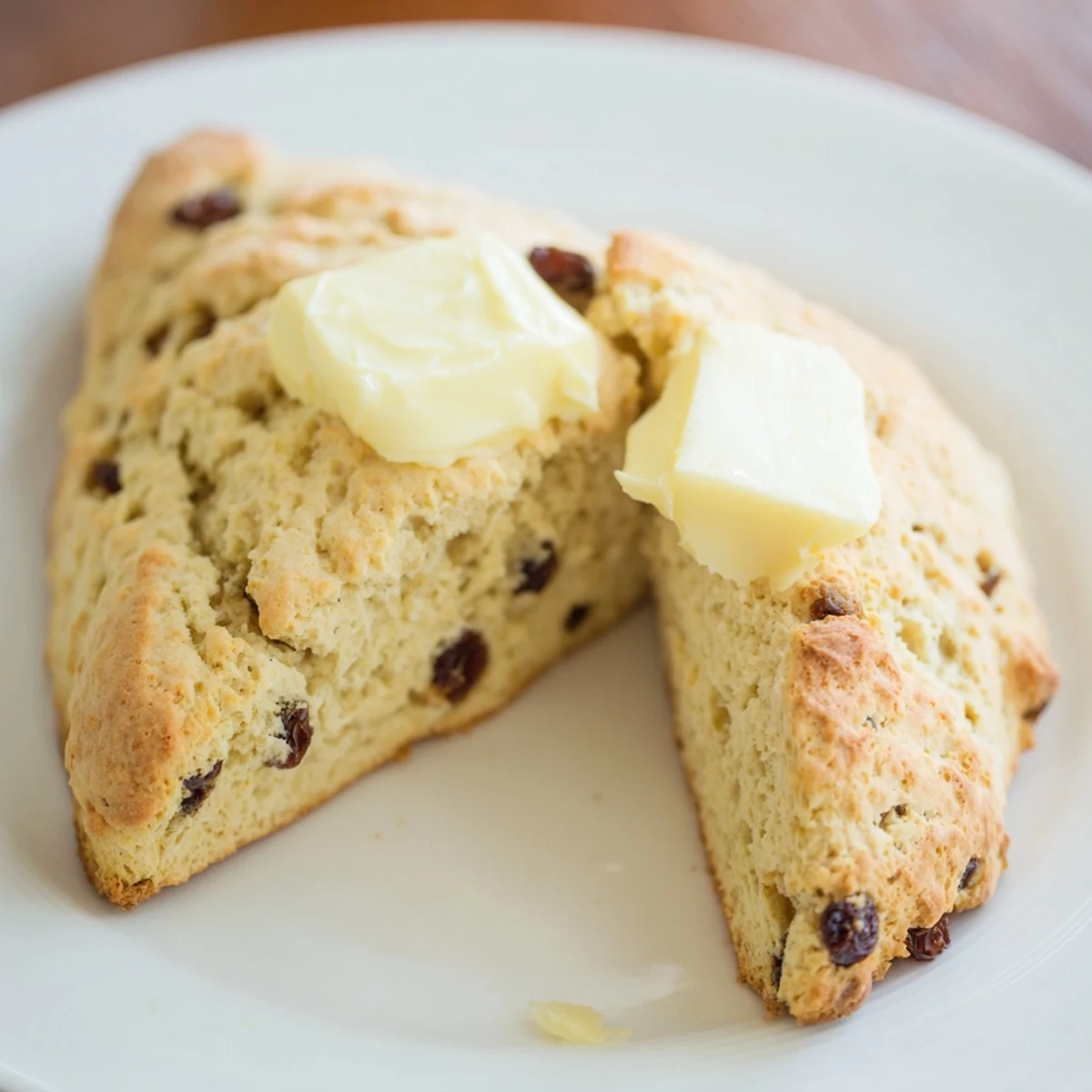
 These Irish soda bread scones offer a tender, rustic texture with a golden crust and fluffy interior. Made with basic pantry ingredients like flour, baking soda, and buttermilk, the dough is gently mixed and shaped into rounds using a biscuit cutter. Baking until golden creates perfectly warm scones, ideal when enjoyed with softened butter. Optional additions like raisins or currants add sweetness, while brushing tops with buttermilk enhances richness. This simple, approachable dish highlights traditional Irish flavors and quick preparation.
The rain was drumming against my kitchen window last Tuesday when I suddenly needed warm bread right now. No yeast, no waiting, just the kind of immediate comfort that only soda bread can deliver. I started mixing before I even fully committed to the recipe, flour dusting my sweater in that familiar way that always makes me smile.
My roommate walked in mid-bake, following the buttery smell like a cartoon character. She stood watching the oven light, asking if they were done approximately every thirty seconds until I finally shooed her away. Now she asks for these specifically on gray days, calling them rainy day scones like they are their own food group.
Ingredients
- All-purpose flour: Forms the tender structure and creates that satisfying rustic crumb that soda bread is famous for
- Granulated sugar: Just enough to balance the tangy buttermilk without making these sweet like American scones
- Baking soda and baking powder: Work together for that characteristic rise and the signature soda bread texture
- Salt: Essential to balance flavors and make the other ingredients sing
- Raisins or currants: Traditional add-ins that bring little bursts of sweetness throughout every bite
- Cold buttermilk: The acidity activates the soda and creates the most tender texture imaginable
- Egg: Adds richness and helps bind everything together for a cohesive dough
- Melted butter: Incorporates easily into the dough for even distribution of buttery goodness
Instructions
- Get your oven ready:
- Preheat to 400°F and line a baking sheet while the oven gets nice and hot
- Mix the dry goods:
- Whisk flour, sugar, baking soda, baking powder, and salt in a large bowl, then stir in your raisins if using
- Combine the wet mixture:
- Whisk buttermilk, egg, and melted butter until completely blended
- Bring it together:
- Pour wet into dry and fold gently until just combined, stopping while the dough still looks shaggy and imperfect
- Shape and cut:
- Turn dough onto a floured surface, pat into a 1-inch round, and cut with a floured cutter
- Bake to golden:
- Bake 16 to 18 minutes until golden and a toothpick comes out clean
- Butter and serve:
- Let cool slightly before slathering with softened butter while still warm
 Pin it
 Last Sunday morning, my dad tried one and immediately asked for the recipe. He stood at the counter eating his second scone straight from the cooling rack, butter melting down his wrist. That is the exact moment I knew this recipe was a permanent keeper.
Making Them Your Own
Brush the tops with extra buttermilk before baking for an even deeper golden color and slight sheen. You can swap half the flour for whole wheat for a heartier, more rustic version that feels even more traditional.
Storage Solutions
These scones keep remarkably well in an airtight container for up to two days. Wrap them individually and freeze for longer storage, then reheat in a 350°F oven for about 8 minutes to restore that fresh-baked magic.
Serving Ideas
Try orange zest in the dough for a bright, fragrant twist that pairs beautifully with the currants. They are perfect alongside a bowl of soup or as part of a breakfast spread with jam and clotted cream.
- Split and toast leftover scones the next day
- Make mini versions using a smaller cutter for tea time
- Freeze unbaked scones on a tray then transfer to bags for fresh baking anytime
 Pin it
 There is something deeply satisfying about turning simple pantry ingredients into something this special. Hope these bring warmth to your kitchen too.
Recipe FAQs
- → What gives these scones their fluffy texture?
-
A combination of baking soda, baking powder, and cold buttermilk helps create a light and fluffy interior.
- → Can I add dried fruit to the scones?
-
Yes, raisins or currants can be mixed into the dough for added sweetness and texture.
- → How do I prevent the scones from becoming tough?
-
Mix the wet and dry ingredients gently and avoid overworking the dough to maintain a tender crumb.
- → Is there a way to make the crust extra golden?
-
Brushing the tops with a little buttermilk before baking enhances browning and adds richness.
- → Can whole wheat flour be used instead of all-purpose?
-
Substituting half the flour with whole wheat creates a heartier texture while retaining tenderness.